What Happened When Flock Came to My Town
What happened
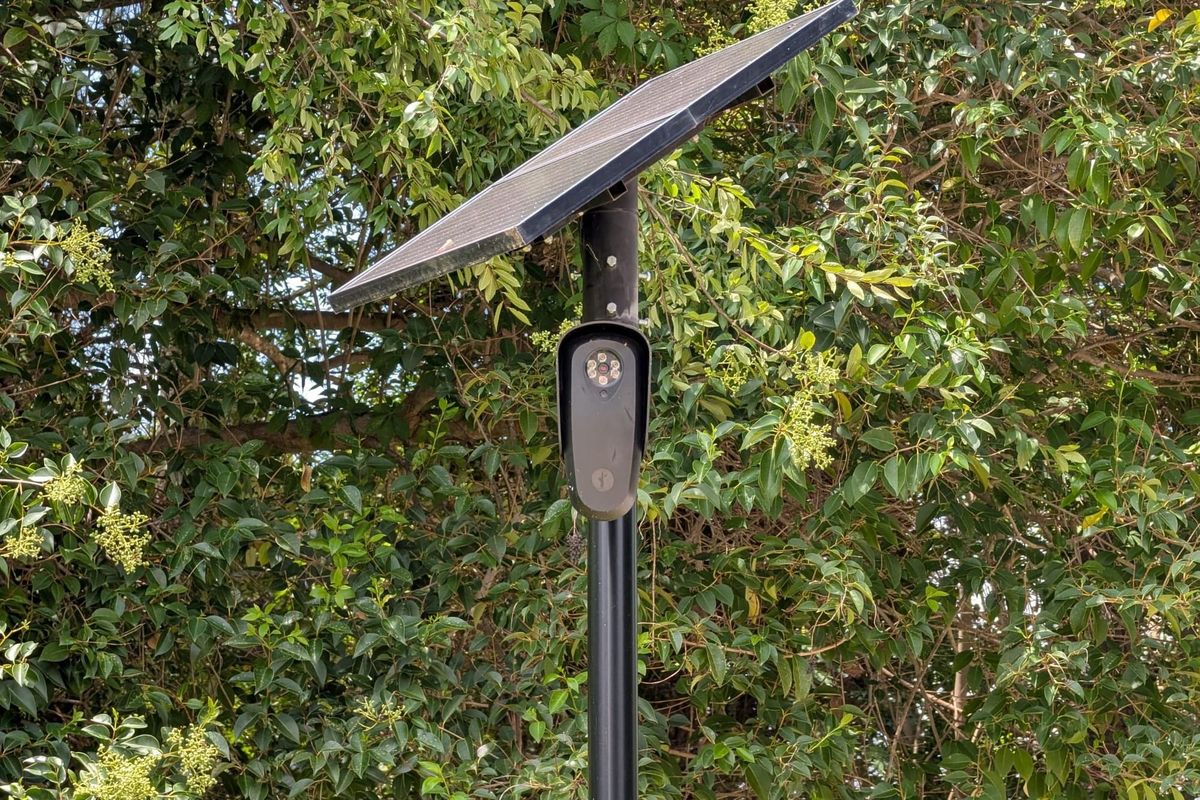
The small South Carolina town is deploying more Flock Safety cameras than it has police officers. The Flock system uses AI-powered license plate readers to monitor public spaces continuously. These devices are intended to assist law enforcement by automating the identification of suspicious vehicles, supporting investigations, and potentially deterring crime through constant surveillance. The rapid installation has shifted the balance of on-the-ground resources toward remote, automated monitoring rather than traditional patrols.
The risk
This move exposes the town to significant privacy and oversight challenges. With more Flock cameras than officers, surveillance becomes the default form of policing, raising concerns over mass tracking without proportional human accountability. Automated systems can misread or flag legitimate drivers, prompting unnecessary law enforcement responses. The scale of deployment heightens risks of data misuse or hacking, and the reduced human presence may weaken community trust.
Why it matters
For operators, this case illustrates how AI surveillance can dramatically shift public safety models, prioritizing technology over manpower. It pressures local governments to reconsider resource allocation between tech and personnel. Investors should note the demand for large-scale automated monitoring despite public concerns. Founders and vendors must anticipate pushback on privacy and look for ways to embed transparency and controls that reduce misuse. Regulators face pressure to update policies addressing widespread AI surveillance deployment in smaller communities.
Who should pay attention
City managers, law enforcement leaders, and public safety officials should monitor how this model performs operationally and socially. Privacy advocates and civil liberties groups will track the impact on residents’ rights. Investors in AI surveillance firms need to weigh public acceptance risks. Builders of AI monitoring tools must focus on ethical design to balance effectiveness with civil trust.
What to watch next
The town’s experience will test whether heavy Flock camera saturation can deliver better law enforcement outcomes without eroding community relations. Look for data on arrest accuracy and false positives as well as public sentiment shifts. Future policy changes could mandate transparency reports or limit automated enforcement uses. The evolving regulatory environment and community responses will shape deployment strategies for AI-driven surveillance technologies nationwide.
AI Quick Briefs Editorial Desk