Podcast: Flock is Tracking People, Not Just Cars
What happened
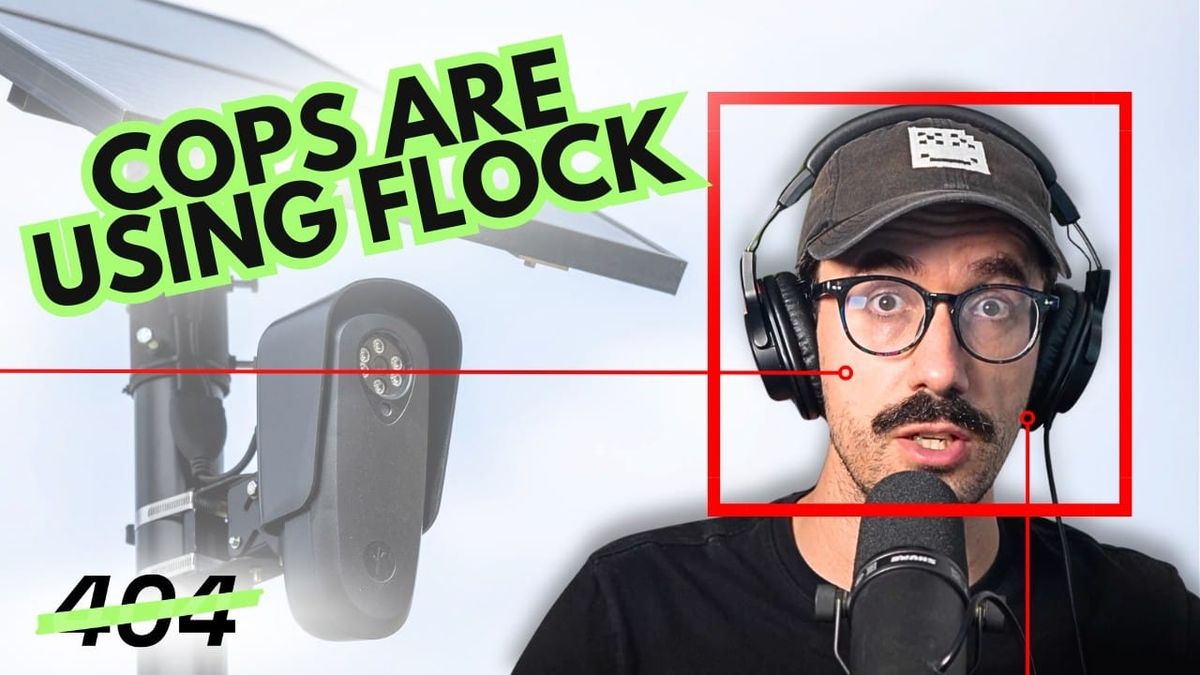
Flock Safety, known for using AI to track license plates, is expanding its scope to identify and track people, not just cars. Law enforcement agencies are leveraging Flock’s technology to search for specific individuals across connected camera networks. Meanwhile, a company that supplies vast quantities of books to AI developers is drawing attention, alongside a significant hack targeting Suno, an AI audio startup.
Why it matters
Flock’s shift to tracking people intensifies privacy and ethical concerns around mass surveillance. For operators and businesses relying on AI-powered video analytics, this raises the bar for compliance, user consent, and risk management since the technology now touches individuals directly instead of just vehicles. Investors and founders working with AI data providers must watch out as the sourcing of training material grows more opaque with companies buying large book collections, hinting at pressures on content licensing and fairness. The Suno hack exposes the vulnerabilities of AI startups handling sensitive user data and IP, warning operators to tighten cybersecurity protocols and rethink data-sharing practices.
What to watch next
Regulators will likely scrutinize Flock’s expansion to human surveillance, possibly forcing tighter rules on biometric data collection and usage. AI builders tied to large-scale data ingestion should monitor legal battles over content sourcing and adjust strategies accordingly. Meanwhile, cybersecurity responses to AI-specific hacks like Suno’s will dictate investment in protection tools tailored to emerging AI businesses. Operational leaders across sectors need to prepare for increased oversight, higher compliance costs, and evolving customer trust issues centered on AI surveillance and data security.
AI Quick Briefs Editorial Desk