TurboQuant: Is the Compression and Performance Worth the Hype?
What it does
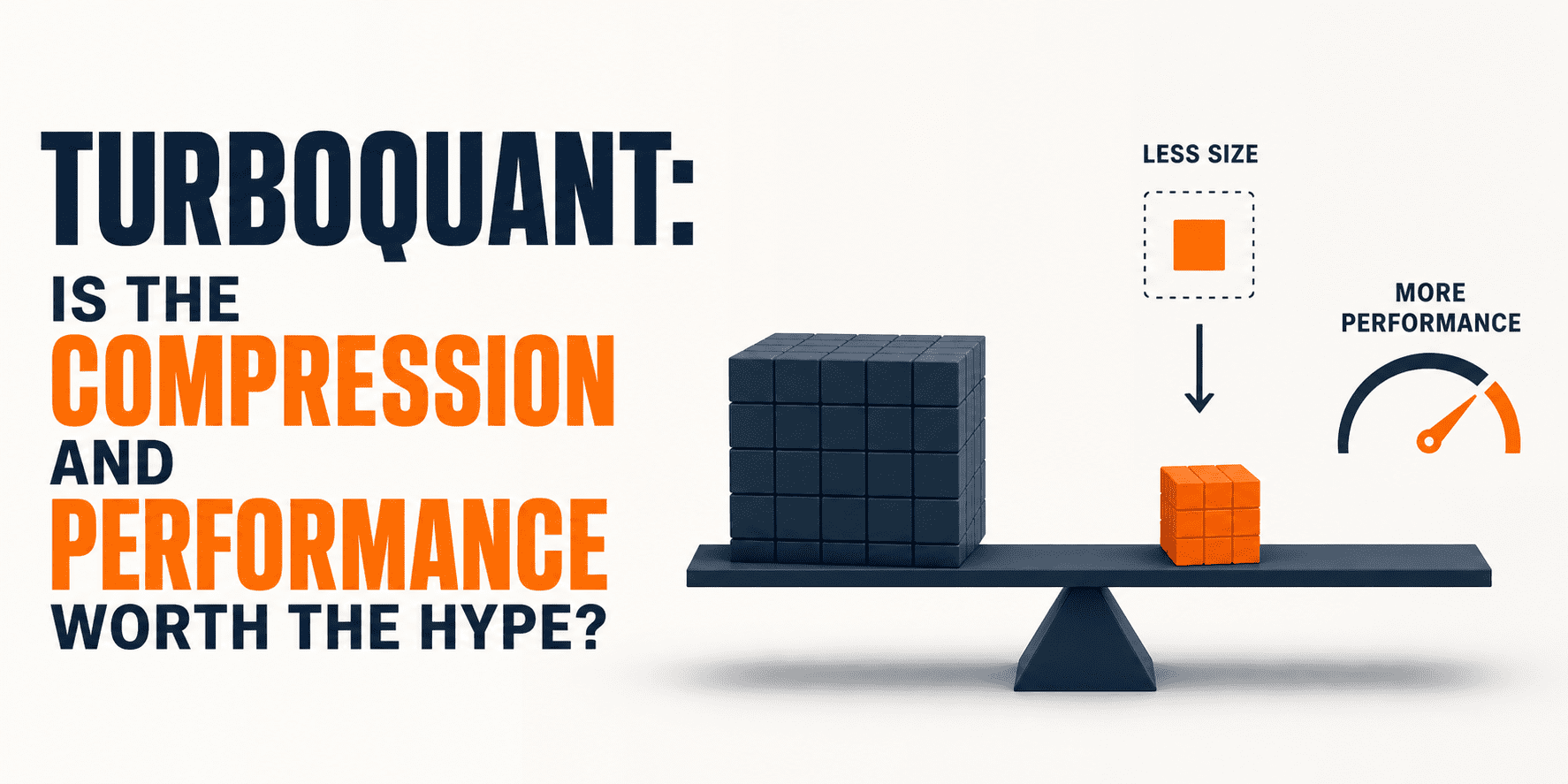
TurboQuant is a model compression technique that promises to dramatically reduce AI model size and speed up inference while preserving accuracy. It uses quantization to compress models—essentially shrinking the amount of data needed to represent the model weights. TurboQuant claims to push the limits of efficiency by minimizing accuracy loss that typically comes with aggressive compression. The technique targets enabling faster AI inference with lower hardware demands.
Why it matters
For builders running inference-heavy AI applications, model size and compute costs directly affect performance and cost structures. Smaller models mean less memory consumption and faster processing, enabling AI workloads on edge devices or less expensive hardware. If TurboQuant truly retains accuracy at high compression levels, it can shift deployment economics, making advanced AI more accessible and less resource-hungry. It also tightens competition around efficient model serving, pushing vendors to innovate beyond raw model size or traditional quantization.
Who it is for
TurboQuant is relevant for operators deploying large language models and other deep learning architectures where inference speed and cost matter. Startups and enterprises serving AI-powered products on limited hardware can benefit by cutting cloud or device resource usage. Developers focused on edge AI and mobile applications also gain from smaller, faster models. Investors and buyers in AI infrastructure should watch how TurboQuant affects hardware demand and cost benchmarks for AI services.
The catch
No compression method comes free. Aggressive quantization risks subtle degradation in model output quality, which can affect end-user applications relying on high accuracy. TurboQuant’s claims rest on narrow benchmarks and specific model types, so its benefits may vary widely in real-world conditions. It raises the pressure to validate performance thoroughly, especially for sensitive or business-critical AI tasks. Adopting TurboQuant may require extra testing and fine-tuning to avoid accuracy pitfalls.
What to watch next
Observe real-world performance reports from organizations adopting TurboQuant at scale. Check whether it maintains accuracy across diverse, larger models and datasets beyond initial tests. Watch if it spurs competing quantization approaches or hardware innovation focused on compressed AI models. Monitor if cloud providers and AI infrastructure vendors start offering TurboQuant-optimized options or pricing incentives that pressure existing model deployment economics.
AI Quick Briefs Editorial Desk