Trump quietly signs a downsized AI executive order asking companies to voluntarily submit models for review…
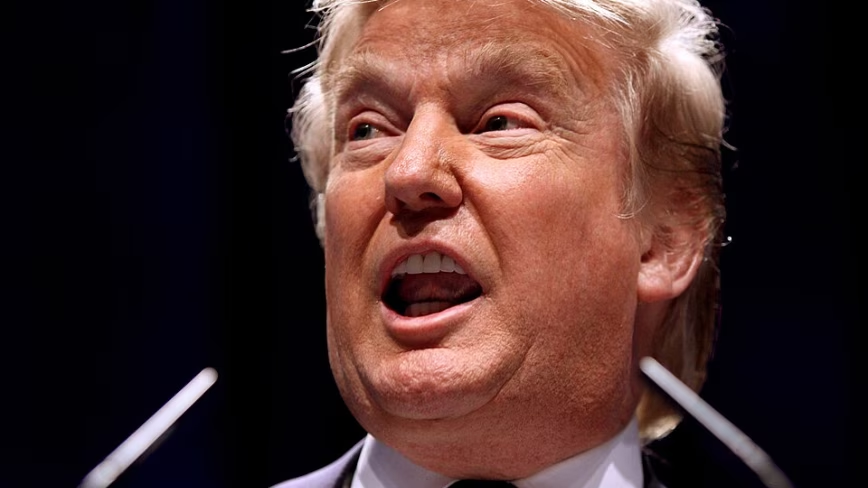
What happened
President Trump signed an executive order that sets up a voluntary system for companies to submit advanced AI models to government review 30 days before their public release. Unlike a typical White House rollout, the signing was low profile and private. The order aims to balance innovation with security without heavy-handed regulation. It closes weeks of internal debate in the White House over how strict AI oversight should be.
Why it matters
This order signals a softer regulatory approach, relying on companies to opt in for review rather than imposing mandatory checks or restrictions. For AI builders and investors, this means continued freedom to deploy new models quickly, but with a new layer of voluntary scrutiny. The government is placing trust in industry players, but the 30-day review window introduces potential delays for releases flagged for deeper evaluation. It also sets a baseline expectation that models deemed “frontier AI” should be available for federal review, pushing companies to consider risk mitigation upfront.
For policy watchers and operators, this order reduces the immediate pressure for hard regulation but keeps the door open for future mandates if voluntary efforts fall short. It balances the need to avoid stifling innovation with a clear signal that government wants to be notified before widely distributing powerful AI systems.
What to watch next
Monitor how companies respond to the voluntary review request. If many comply, it could ease regulatory tensions and build a model for public-private AI governance. If companies ignore the framework, it could trigger calls for stricter laws or penalties. Watch for how “frontier AI” is defined in practice, since this determines what models are covered and may influence investment and deployment decisions. Also track government follow-up actions—such as guidance on review criteria or enforcement steps—that could tighten oversight over time.
AI Quick Briefs Editorial Desk