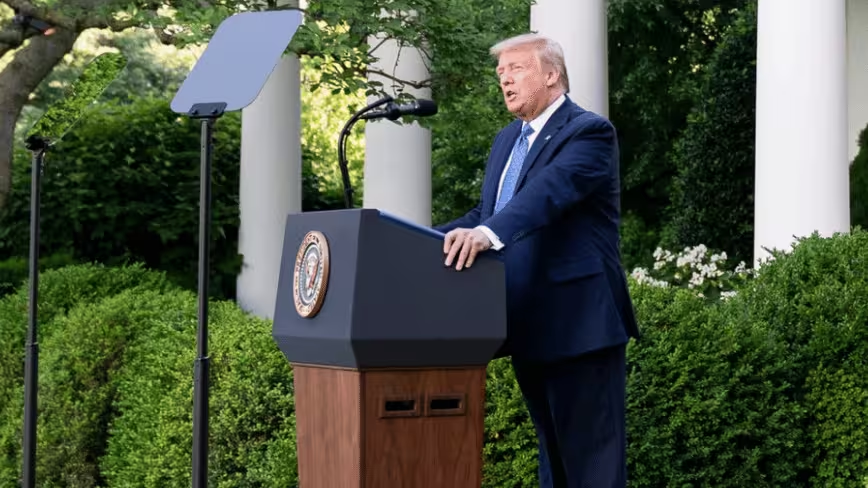
Trump signs executive order to review AI models before they’re released

What happened
President Donald Trump signed an executive order requiring AI companies to voluntarily share their most advanced models with the federal government before releasing them. The order establishes a “voluntary framework” aimed at promoting secure innovation and improving cybersecurity protections for critical infrastructure. It stresses avoiding heavy-handed regulations that could stifle the US AI industry’s growth, while acknowledging the new security risks posed by frontier AI models.
Why it matters
This order signals a shift toward more proactive government involvement in AI development. By encouraging early sharing of powerful models, it seeks to identify vulnerabilities and risks long before widespread deployment. For AI builders and operators, it means the government will have greater visibility into cutting-edge capabilities that could impact national security, cybersecurity, and critical systems. The voluntary nature may encourage cooperation without immediately imposing costly regulatory hurdles, but it also sets a precedent that could evolve into stricter oversight if companies are reluctant to comply or if risks materialize.
What to watch next
The effectiveness of this voluntary framework depends on whether AI developers engage willingly and transparently. Watch for how companies respond and what standards the government proposes to assess these models. This order could lead to new testing protocols and security requirements that affect development timelines and release schedules. Investors and operators should track shifts in AI deployment risk and government scrutiny, especially around models influencing infrastructure, defense, or high-stakes environments.
AI Quick Briefs Editorial Desk