Structured Language Model Generation with Outlines
What changed
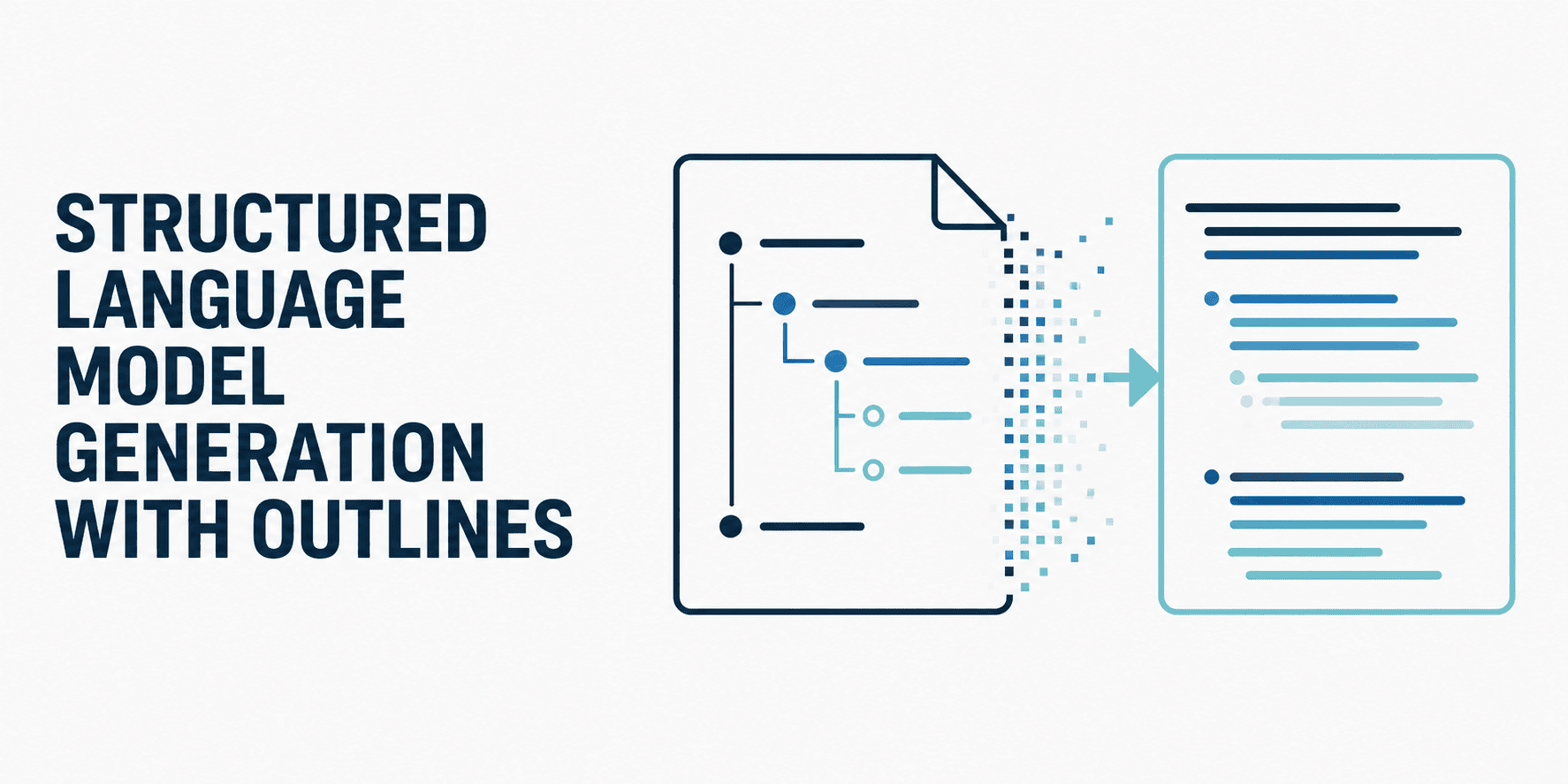
Outlines, an open-source library, introduces a way to add deterministic structure to large language models’ (LLMs) output. Instead of relying on probabilistic, loosely guided text generation, Outlines applies pre-planned outlines as a blueprint. This forces the model to generate output that follows a strict order and format, ensuring better reliability and making the output predictable and easier to parse.
Why builders should care
Language models often produce inconsistent or unstructured text that requires extensive post-processing or manual verification. Outlines changes this by locking in the output’s structure upfront, reducing guesswork and the need for heavy cleanup. For developers building applications that rely on structured responses—such as reports, code generation, or multi-part explanations—this approach makes deploying LLMs practical and less error-prone.
The practical takeaway
Outlines shifts control over generation from the model’s internal randomness to the user’s outline design. This means workflows can gain tighter quality control, fewer downstream corrections, and improved trust in LLM output. Builders can integrate Outlines to specify exactly how many headings, list items, or sections the model must produce, cutting turnaround time and operational friction for structured text tasks.
What to watch next
Look for wider adoption of deterministic outline frameworks in production LLM deployments, especially in business applications demanding consistent formatting. Expect advances in tooling around outline creation, and possibly hybrid approaches that combine open-ended generation with structural constraints. The balance between creativity and reliability in language output remains a key tension to monitor.
AI Quick Briefs Editorial Desk