What will be left for us to work on?
What changed
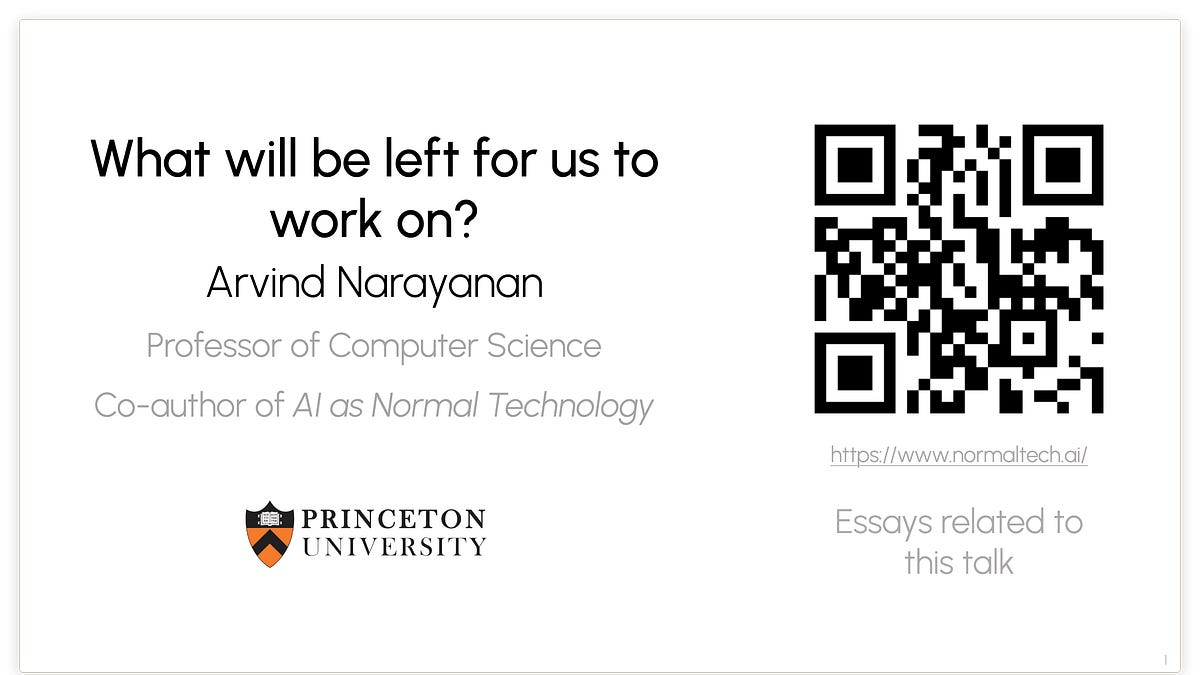
The keynote at ICML 2026 raised the question of what tasks will remain for human workers as AI capabilities continue to accelerate. As AI systems increasingly automate technical, creative, and decision-making work, the space left for humans is shrinking and shifting in nature. This keynote emphasizes that many routine or well-structured tasks will be fully automated, forcing a rethink of human roles across industries.
Why builders should care
For developers and operators designing AI tools and workflows, this evolution means focusing on complex, ambiguous, or highly human-centric problems that machines still struggle with. It pressures teams to build AI systems that complement human judgment rather than simply replace it. The keynote signals a pivot from automating isolated tasks to creating collaborative human-AI systems that require nuanced understanding and ethical oversight.
The practical takeaway
Investing in AI adoption will force businesses to redefine job descriptions and operational processes. Roles emphasizing creativity, empathy, or strategic insight remain valuable because these depend on contextual judgment AI has yet to master. Meanwhile, builders must prioritize AI transparency, control, and integration so that human workers can trust and effectively manage these tools rather than feel displaced or sidelined.
What to watch next
Watch for new products and frameworks supporting hybrid workflows where humans and AI collaborate dynamically on problem solving. Also track how workforce strategies adapt, particularly retraining programs and role redesigns in industries heavily impacted by automation. Finally, pay attention to emerging regulatory or ethical standards that address the balance between AI automation and meaningful human work.
AI Quick Briefs Editorial Desk