Podcast: This Man Might Go to Prison for Wiping His Phone
What happened
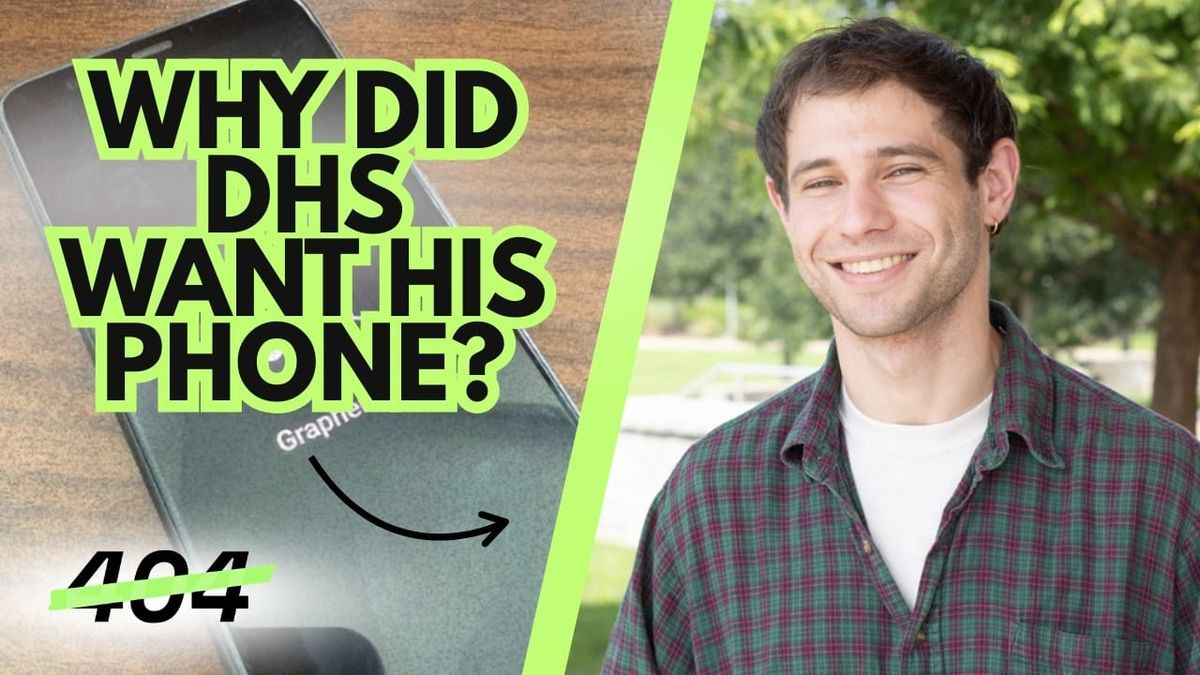
Samuel Tunick faces potential imprisonment for wiping a phone before the Department of Homeland Security (DHS) could execute a search warrant. The case raises legal questions about digital data destruction and the limits of privacy protection in government investigations. Meanwhile, AI is reshaping e-commerce with the introduction of TikTok Shop powered by AI, and Google Earth now offers a basic AI tool for analyzing geographical data.
Why it matters
Tunick’s legal trouble sets a precedent on the risks tied to deleting data during active investigations. For anyone handling sensitive digital information, especially businesses or individuals under regulatory scrutiny, this raises the stakes on device management and compliance. It pressures operators to rethink data access controls and forensic readiness. On the commercial side, TikTok Shop’s AI integration signals a shift toward AI-driven retail experiences, intensifying competition in social commerce and reshaping user engagement and conversion strategies. Google Earth’s AI tool, while rudimentary, lowers technical barriers for spatial analysis, expanding who can operationalize location data without specialized GIS skills.
What to watch next
Monitor how courts interpret digital wiping in light of existing and emerging laws around data preservation and obstruction. This will define the legal risk landscape for operators managing sensitive data. Track the rollout and effectiveness of AI-powered features on TikTok Shop, focusing on user behavior shifts and sales impacts to understand AI’s role in social commerce growth. Watch for advancements in Google Earth’s AI tools that could broaden adoption among non-technical users and affect geospatial data applications in logistics, real estate, and urban planning.
AI Quick Briefs Editorial Desk