Over 100 US-built autonomous ATVs have been fighting in Ukraine for nine months
What happened
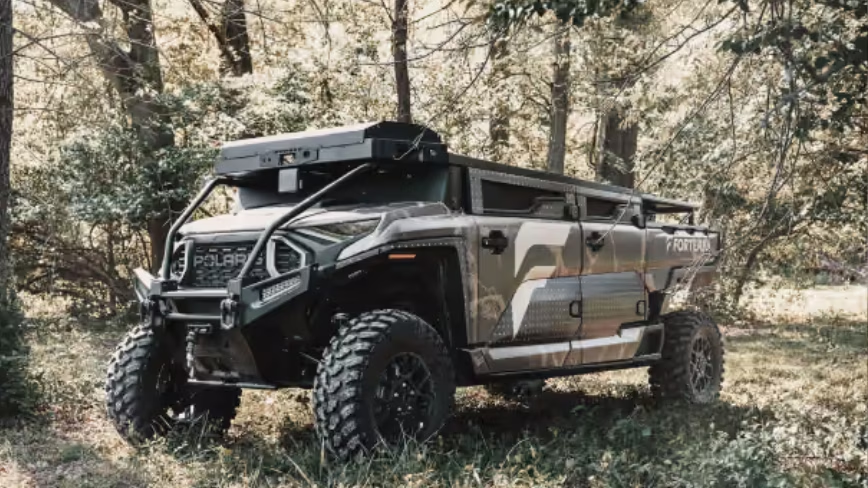
Forterra, an American company specializing in autonomous vehicles, has deployed more than 100 of its self-driving all-terrain vehicles (ATVs) in Ukraine’s conflict zones for the past nine months. This marks the largest combat use of autonomous ground vehicles by a US defense technology firm. The vehicles began arriving in October and have been actively used on the front lines since then.
Why it matters
This deployment shifts the battlefield calculus by integrating autonomous ground vehicles at scale, cutting the need for direct soldier involvement in hazardous terrain tasks. It pressures other defense contractors to accelerate their own autonomous vehicle programs, raising the bar for what robotic systems are expected to deliver in combat scenarios. For operators and military planners, Forterra’s ATVs offer a new tool that can reduce human risk and potentially lower operational costs over time. Investors and builders looking at defense tech can read this as a sign that autonomous ground vehicles are moving beyond concept stages into practical, sustained use cases under combat stress.
What to watch next
Key next steps will include how these vehicles perform under prolonged real-world combat conditions, whether they expand beyond ATVs into other autonomous ground platforms, and how other countries respond to this US-led deployment. Military and tech watchers should track Forterra’s updates on vehicle effectiveness, survivability, and maintenance. Also worth monitoring are any shifts in defense procurement priorities that favor autonomous systems for frontline roles or logistical support, as well as potential export or partnership deals extending this technology globally.
AI Quick Briefs Editorial Desk