Companies Could Soon Staff ‘Stubbornly Local’ Jobs With Workers 4,000 Miles Away
What happened
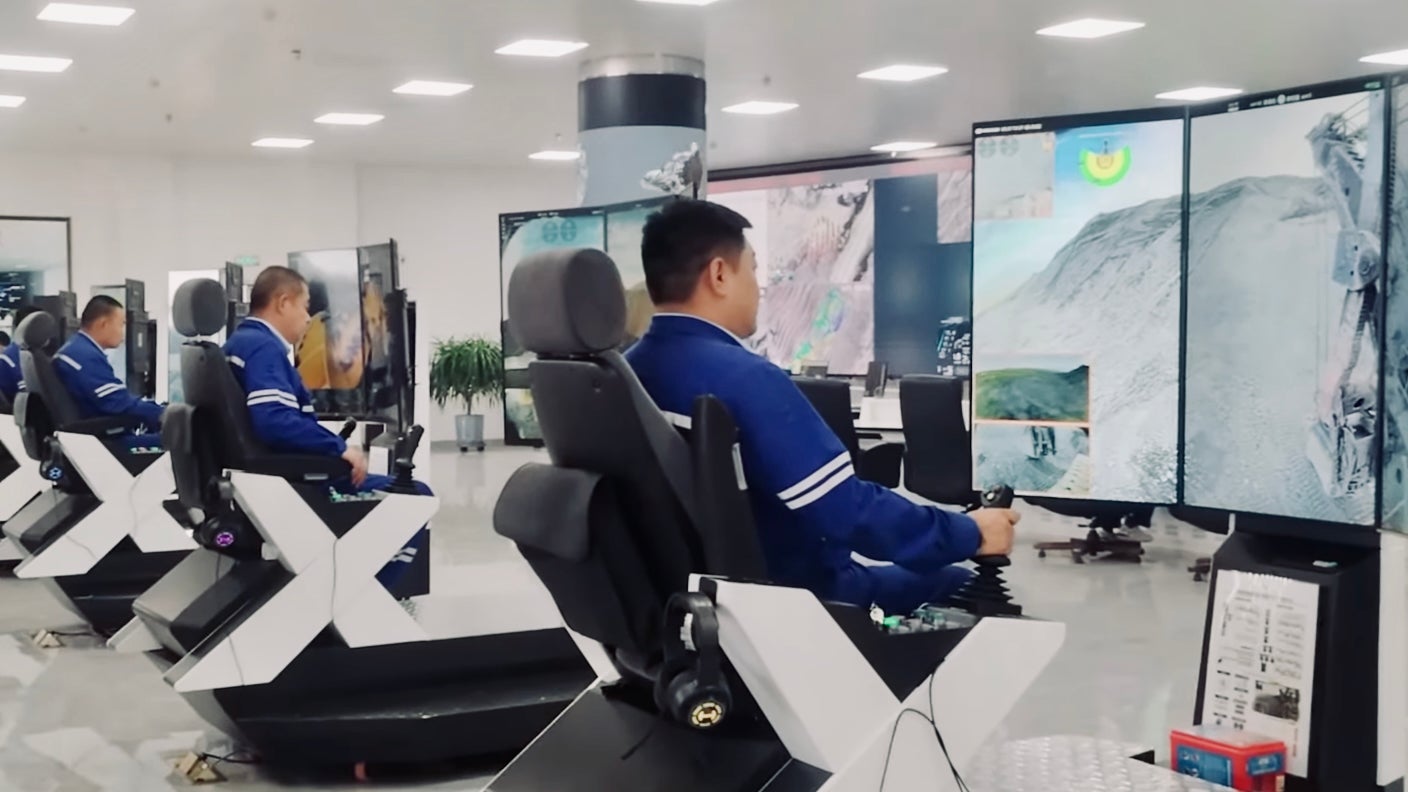
Companies now have the ability to staff local, physical jobs with remote workers thousands of miles away by using robots and machines controlled over the internet. Instead of relocating factories or hiring onsite labor, workers can operate equipment like excavators, forklifts, and humanoid robots remotely from a different continent. The technology connects human operators to relevant devices with real-time controls despite the distance.
Why it matters
This shift pressures traditional labor and logistics models that depend on proximity. Businesses can cut costs by avoiding relocation or local hiring and still maintain daily operations of “stubbornly local” tasks, which historically required labor presence on site. It also loosens location constraints for workers, expanding the talent pool globally without physical moves. For industries like construction, warehousing, and manufacturing, it changes how they staff roles previously believed impossible to offload.
What to watch next
The big question is how well latency, connectivity, and safety challenges get managed at scale, especially for complex or hazardous tasks. Expect early adopters in sectors facing tight labor shortages or high local wages to pilot this model first. The regulatory landscape will also shape adoption, with laws around remote control of heavy equipment and liability evolving. Finally, watch for how companies balance potential cost savings against the need for local infrastructure to enable remote operation.
AI Quick Briefs Editorial Desk