Nvidia, other tech giants caution against open-source AI ban in open letter

What happened
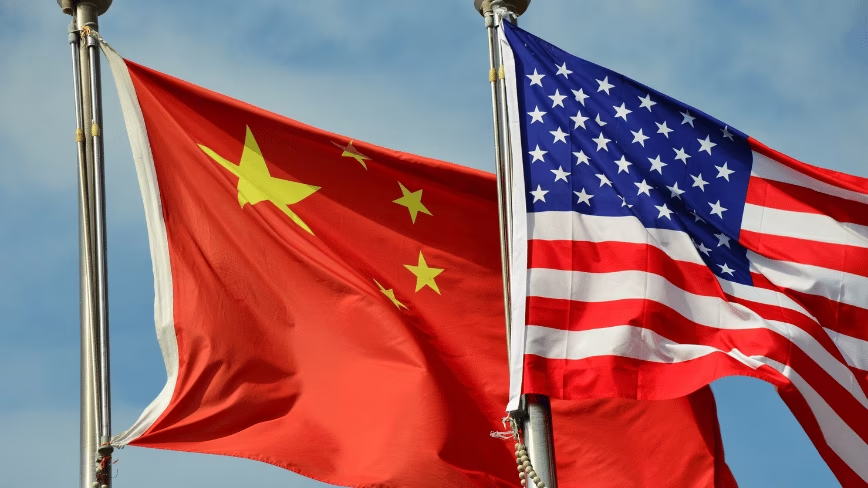
Nvidia and several other major tech companies signed an open letter urging policymakers not to ban open-source AI models. This call to action responds to reports that some Trump administration officials explored restricting access to or use of open-source AI algorithms. The letter warns that banning such models would stifle innovation and limit the decentralized development that powers much of the AI ecosystem. Many leading open-source AI projects come from Chinese firms, which adds a geopolitical dimension to the debate.
Why it matters
Open-source AI models are widely used by developers, startups, and researchers because they provide a low-cost, flexible foundation to build and customize artificial intelligence technologies. A ban would sharply raise the barriers to entry for smaller players and slow the pace of experimentation essential to practical AI progress. It also would concentrate power even more around large companies that own proprietary AI stacks, reducing competition and innovation. For businesses and investors, this raises regulatory uncertainty that could shift where and how AI products get built or deployed. The involvement of Chinese companies heightens the tension between open innovation and national security or economic sovereignty goals in tech policy.
What to watch next
Focus next on how US and other global regulators respond to this letter and reports of AI restrictions. Watch for moves that could tighten rules around open-source AI distribution or licensing, which would alter development incentives and investment strategies. Also track whether more tech firms rally against restrictive policies or whether national security concerns push governments to legislate limits regardless. For operators and founders, staying aware of evolving policy risks will be key to managing AI project timelines and market access.
AI Quick Briefs Editorial Desk