As US weighs response to Chinese AI, industry urges against broad open-weight restrictions

What happened
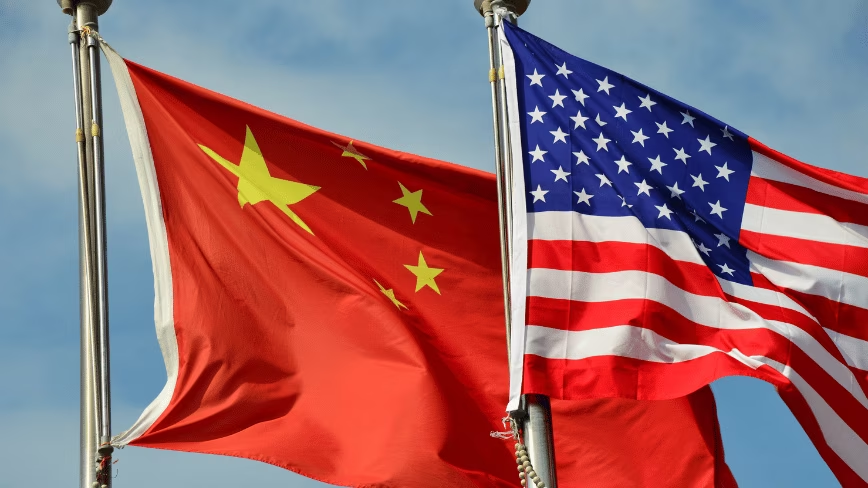
AI companies Nvidia, Mistral, and others are pushing back against US government discussions about imposing broad restrictions on open-weight AI models. The debate is driven by concerns that Chinese AI firms might use techniques like model distillation to copy or replicate US-developed AI systems. Policymakers in Washington are weighing how to respond to these risks, but industry leaders warn that heavy-handed limits on open-weight models could disrupt innovation and global collaboration.
Why it matters
Open-weight AI models are the backbone of many startups and research projects. Restricting them wholesale would raise technical and financial barriers for builders and limit access to cutting-edge AI capabilities. For US companies, this could slow the pace of development and weaken competitive positioning against Chinese peers who might find workarounds. The pushback from Nvidia and others underscores the tension between national security concerns and the practical realities of AI development, where openness accelerates progress and lowers costs.
What to watch next
Keep an eye on how US policymakers balance national security with AI innovation. Will they propose targeted restrictions focused on specific techniques like model distillation, or try blunt limits on open-weight model distribution? The industry’s response may influence the final regulations and how global AI collaboration evolves. Builders and investors should prepare for potential changes in model licensing, export controls, and compliance requirements that could affect AI product roadmaps and partnerships.
AI Quick Briefs Editorial Desk