A Chinese model split Silicon Valley. Now the startups are fighting back.
What happened
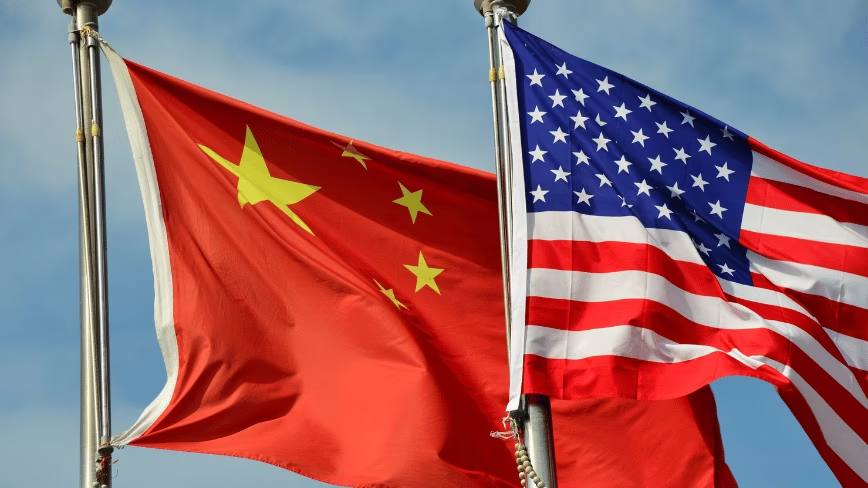
Nearly 200 US startups sent letters urging the Trump administration not to block American access to Chinese open-weight AI models. These startups are pushing back against a potential ban that would restrict the use of AI models developed or controlled by Chinese entities. The coordinated move is unusual for Silicon Valley, which rarely publicly aligns in such a forceful way on government policy affecting AI infrastructure.
Why it matters
A ban on Chinese open-weight AI models would cut off a significant source of AI innovation and tools that many US startups rely on. Open-weight models are AI architectures and weights published openly, allowing startups to build, customize, or run models without costly licenses or dependence on a few providers. Restricting access would raise costs and slow down AI product development for smaller US companies, making it harder for them to compete with deep-pocketed incumbents.
The letter signals that startups see open-weight Chinese models as essential infrastructure, not just competitive threats. Blocking access could stifle experimentation and innovation downstream, forcing startups to lean heavily on expensive alternatives or rebuild capabilities from scratch.
What to watch next
Regulators weighing this ban will face pressure to balance national security concerns against the practical costs to American innovation ecosystems. The letters from nearly 200 startups reveal a fracture in the usual Silicon Valley approach to US-China tech tensions. Watch for whether the administration revises, softens, or enforces the ban, and for how startups adapt their sourcing and model strategies if the ban holds. This episode also underscores a growing reliance on Chinese AI platforms despite geopolitical risks, an issue likely to come up repeatedly in future AI policy debates.
AI Quick Briefs Editorial Desk