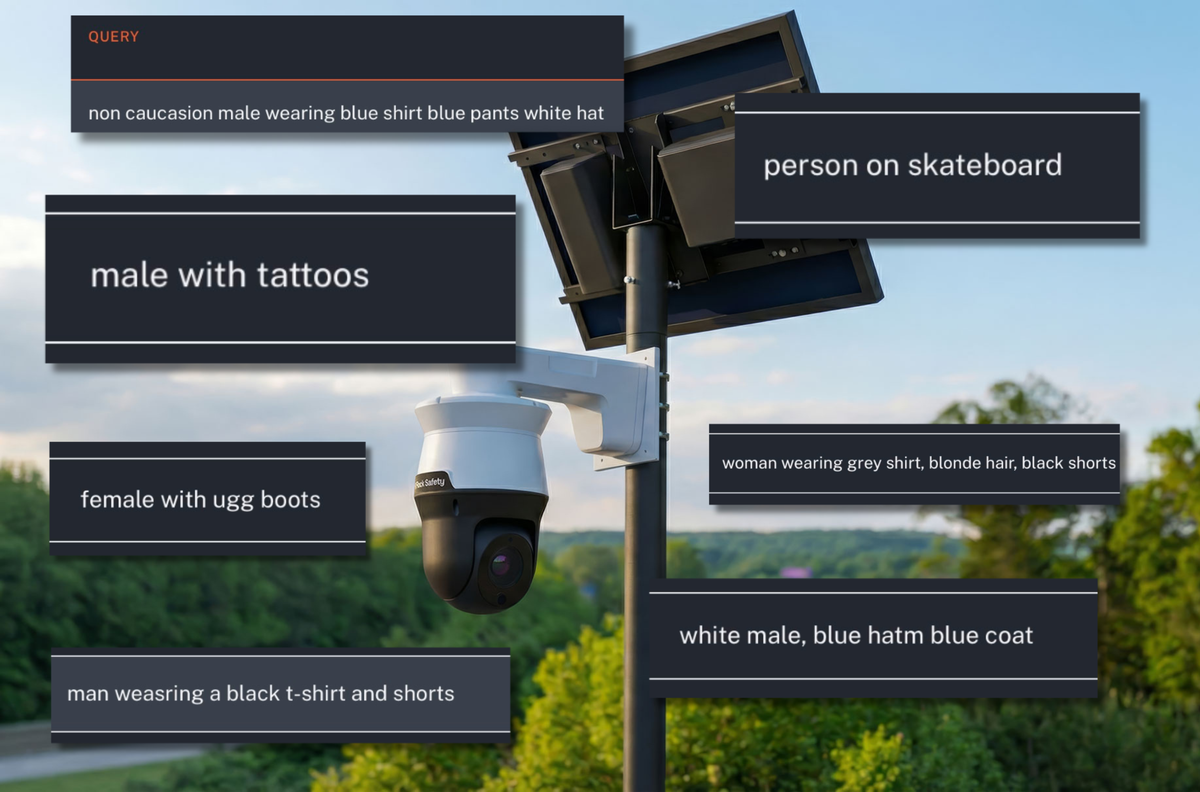
COMPUTER COPS: Inside the big business of selling AI to the police

The business move
The International Association of Chiefs of Police (IACP) hosted a major showcase in Fort Worth, Texas, presenting a surge of AI tools marketed directly to police departments. Attendees witnessed sales pitches positioning AI as a revolutionary layer for law enforcement workflows, promising faster investigations, predictive policing, and automated monitoring. Despite press restrictions barring entry to the event, reports from the surrounding area indicate that vendors are aggressively pushing AI systems designed to reshape the operational core of policing in America.
Why it matters
AI is advancing from a supportive technology to a foundational pillar within law enforcement. This shift puts pressure on police agencies to allocate growing budgets towards AI solutions that claim to improve efficiency and accuracy. At the same time, it raises concerns about oversight, bias, and privacy, as algorithms increasingly influence decisions once made by humans. The adoption of AI tools is not just a technological upgrade; it changes incentives, potentially prioritizing data-driven enforcement models that may lower human judgment in favor of pattern detection and automation.
Who gains and who gets squeezed
AI vendors stand to gain significant contracts and expand their influence within public safety. Police departments that embrace these tools may improve case processing speed and resource allocation. However, the shift squeezes traditional policing methods and raises the cost of modernization for smaller agencies lacking funds to compete. Community trust could also erode if AI contributes to over-policing or infringes on civil liberties without transparent safeguards.
What to watch next
Monitoring how police departments implement AI will reveal whether the promised efficiency gains materialize and at what social cost. Regulatory scrutiny may increase as the technology moves deeper into law enforcement decision-making. Watch for partnerships between AI providers and governments, performance data from deployments, and emerging standards or pushback on algorithmic fairness and accountability. This evolving market will shape public safety and privacy debates for years to come.
AI Quick Briefs Editorial Desk