How Cops Use Flock to Track People, Not Cars
What happened
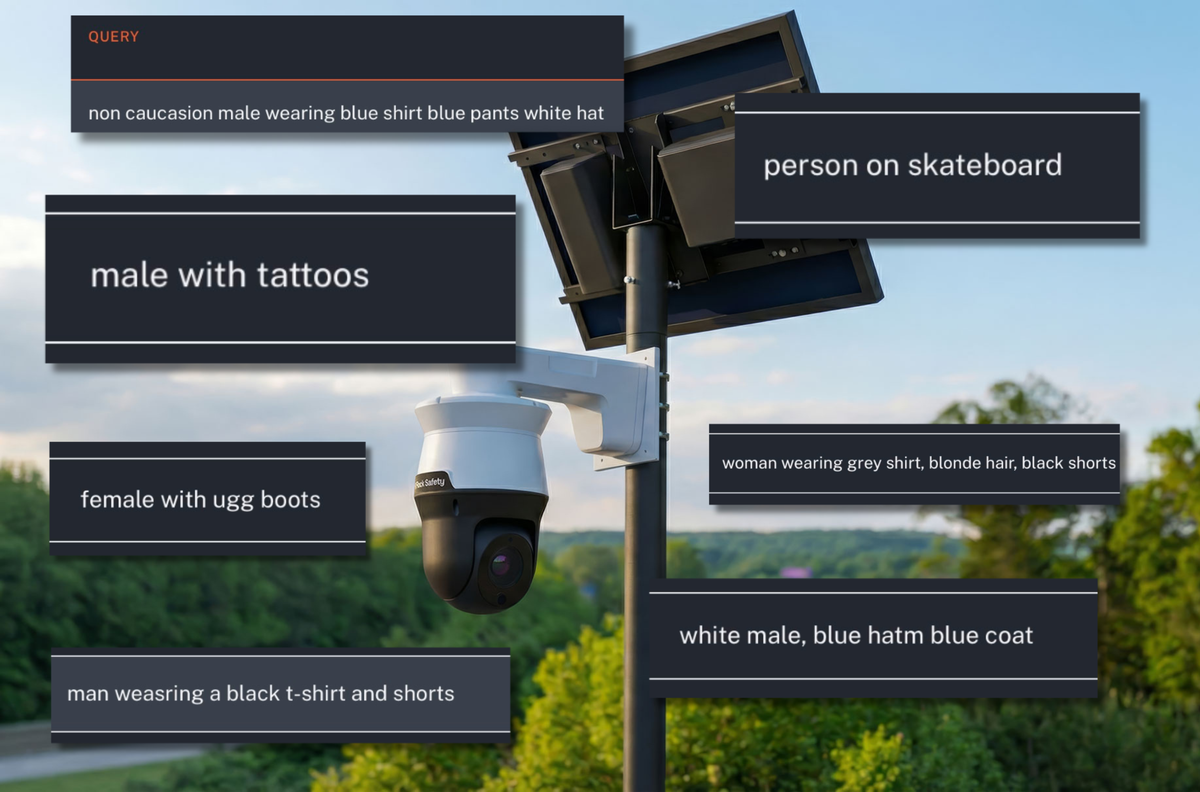
Law enforcement agencies are using Flock’s FreeForm search tool to track people, not just cars, according to data reviewed by 404 Media. Instead of focusing on vehicles, police input descriptions of individuals, such as tattoos or specific sports shirts they are wearing. Searches have sometimes included race as part of the criteria. This shows Flock’s system is being employed beyond its original vehicle identification purpose.
Why it matters
This use of Flock shifts surveillance heavily toward monitoring individuals’ appearances and identities rather than just their vehicles. Including race in search parameters raises serious privacy and civil rights concerns. For operators handling public safety technology, it stresses the need to scrutinize how facial recognition and image searches are applied and controlled. It also pressures companies like Flock to clearly define limits on user searches to prevent misuse. For communities and regulators, this exposes heightened risks of racial profiling and over-policing through AI tools.
What to watch next
Keep an eye on regulatory responses to this expanded use of Flock’s technology. Heightened public scrutiny or new privacy laws could force tighter controls on what law enforcement can query. Companies in AI surveillance may also update their policies or technical safeguards restricting searches by race or appearance traits. Monitoring how policing tactics adapt with increasingly detailed visual surveillance and search options will be critical for operators invested in AI ethics, compliance, and trust.
AI Quick Briefs Editorial Desk


