The AI boom broke the memory market, and the bust could be brutal
What happened
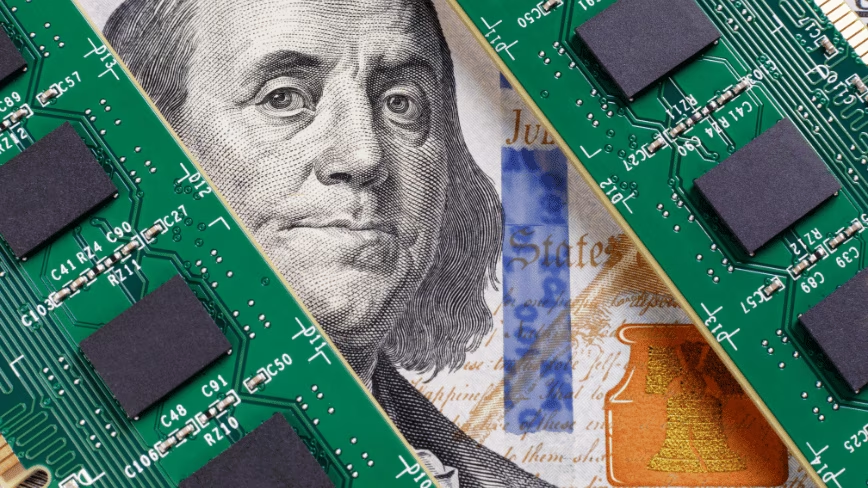
The AI boom has shattered the traditional memory market dynamic. Instead of the usual steady decline in DRAM and NAND flash prices, costs have surged as demand for AI workloads exhausts existing supply. This memory crunch will likely persist until 2028, as capacity expansion struggles to keep pace with AI growth. When the boom fades, the market faces a painful bust.
Why it matters
Memory chips are the backbone of AI infrastructure. Elevated DRAM and NAND prices increase hardware costs for data centers, cloud providers, and AI builders. This translates into higher expenses for anyone training or running large AI models. The memory shortage slows innovation by forcing companies to balance compute and storage budgets more tightly. Investors should expect margin pressure on chipmakers and worsened supply chain volatility for at least four years.
What to watch next
Watch memory manufacturers’ capacity expansions and how quickly they materialize under current bottlenecks. Follow memory pricing trends closely—any early price drops could signal relief or shifts in AI demand. Also, observe how AI infrastructure providers adjust pricing or architecture choices to mitigate memory constraints. The timing and severity of the eventual bust will test which players can manage risk and inventory efficiently.
AI Quick Briefs Editorial Desk