New Jersey could ban Tesla’s Robotaxi with one line about sensors
What happened
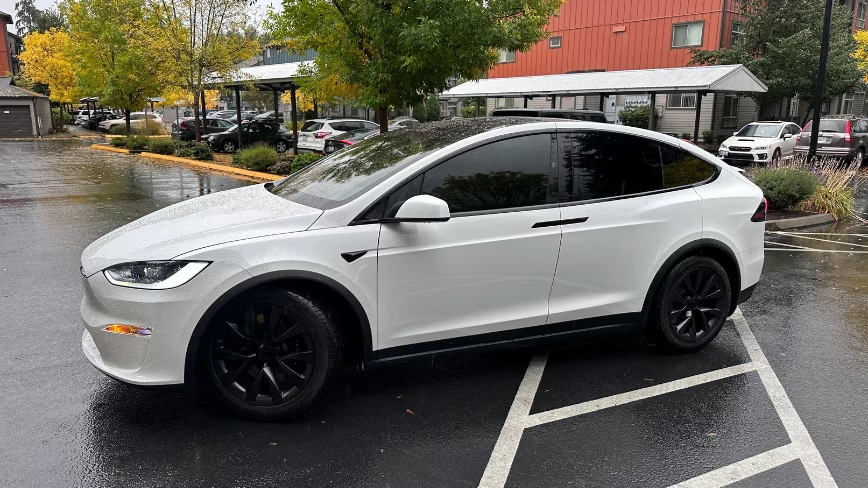
New Jersey’s state legislature is advancing a bill that would require all fully driverless cars operating in the state to include a camera system plus two additional sensor types. This sensor mandate targets companies running robotaxi services without human safety drivers behind the wheel. Tesla’s approach, which relies mainly on cameras and rejects lidar sensors, faces a potential ban under the new rules.
Why it matters
This bill forces driverless car operators to install lidar or other sensor types alongside cameras. Tesla’s strategy so far has focused on a camera-only system without lidar. New Jersey’s move creates a legal barrier that could block Tesla’s robotaxi plans in the state. For other companies using lidar or multi-sensor setups, compliance would become a baseline requirement, raising hardware costs and operational complexity.
For anyone building or investing in autonomous vehicles, this tightening technical standard signals a shift toward sensor redundancy as a legal must-have, not just an engineering preference. It directly pressures Tesla’s cost-saving sensor strategy and could encourage competitors to double down on lidar and multimodal sensing to meet emerging regulatory requirements.
What to watch next
Monitor whether this legislation passes and how it might impact Tesla’s rollout plans and investor confidence. Other states might follow New Jersey’s example, pushing the industry toward more sensor layers as a safety and liability hedge. Watch for responses from Tesla and autonomous fleet operators on how they might adapt hardware or lobby against these sensor mandates. Finally, track whether this triggers broader debates about the best technical standards for driverless vehicles at the state or federal level.
AI Quick Briefs Editorial Desk