A Waymo called the cops on two teens drinking and shooting toy guns
What happened
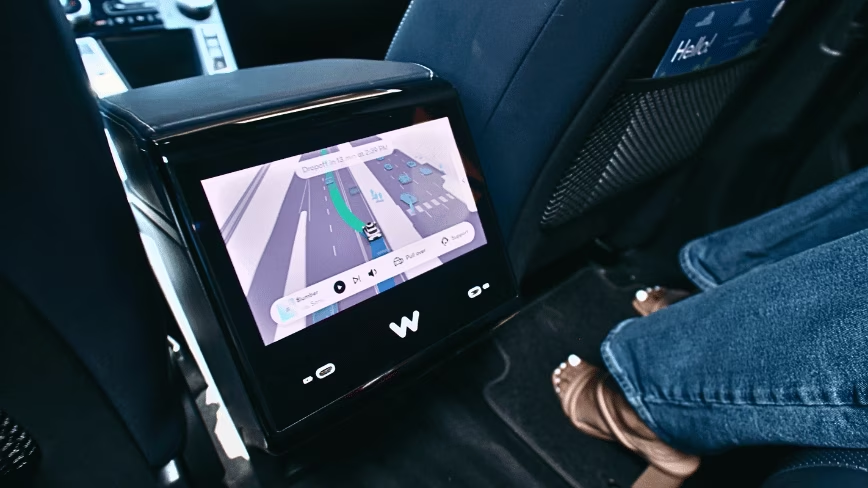
Two teenagers, both 15, were caught drinking alcohol and shooting Orbeez from a moving Waymo, a driverless taxi, in San Mateo last Monday. The onboard remote monitoring system noticed the behavior, contacted 911, and instructed the vehicle to pull over. Police arrived at the scene while the autonomous taxi waited. This incident was reported by The Next Web and confirms that Waymo’s remote operators actively monitor passenger conduct.
Why it matters
The event shows that autonomous vehicles are not passive rideshares but active participants in enforcing onboard rules and public safety. For operators and investors, it reveals the real-world costs and responsibilities of remote supervision. Constant monitoring raises operational expenses and may invite liability if incidents go unnoticed. For riders and regulators, it signals increased surveillance and automated reporting tied to AI systems, which could affect privacy and passenger experience.
This also pressures competitor autonomous mobility providers to match or exceed Waymo’s remote intervention capabilities, potentially raising the bar on safety standards. For builders integrating remote control and alert systems, the takeaway is that these features are now critical, not optional extras.
What to watch next
Monitor how other autonomous taxi companies respond to incidents involving unruly passengers or safety violations. Will rivals adopt similar remote intervention models? Watch for policy shifts requiring autonomous vehicle operators to maintain active monitoring and immediate law enforcement reporting.
Additionally, track how this affects public acceptance and regulatory scrutiny of autonomous ride-hailing services. Increased surveillance and enforcement may improve safety but could also raise privacy concerns. Investors should gauge whether enhanced monitoring increases operational complexity and costs or if it solidifies trust in autonomous services.
AI Quick Briefs Editorial Desk