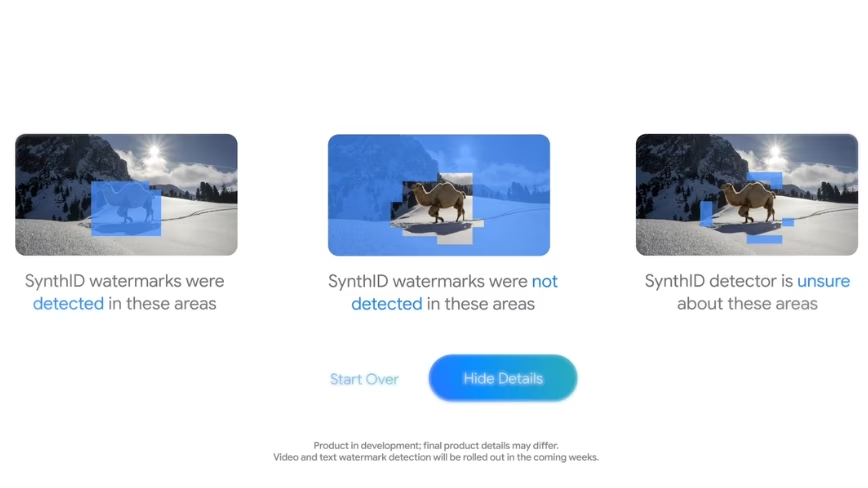
Google’s deepfake detector system used to debunk McConnell hoax pic

What happened
A circulating image showed Kentucky Senator Mitch McConnell in a hospital bed, hooked up to tubes and appearing in severe distress. The photo sparked concern and speculation before it was verified as an AI-generated fake. Google’s deepfake detection system played a key role in debunking the hoax picture, proving it was digitally fabricated rather than a genuine hospital photo.
Why it matters
Faked images targeting public figures put new pressure on digital verification tools to catch disinformation quickly. This incident shows deepfake detection technology reaching a level where it can actively interrupt viral misinformation before it takes deeper hold. For information operators, brands, and public figures, it clarifies that automated deepfake detectors are becoming more effective first lines of defense in a flood of AI-created content. This raises the operational bar for response teams, who can now rely more on technological validation alongside manual checks.
What to watch next
Expect expanded deployment of AI-driven authenticity tools, especially around high-profile targets. The McConnell image episode hints that public officials and their communication teams will increasingly adopt or demand real-time deepfake identification to curb election interference, fake health claims, or crisis misinformation. Follow whether Google and competitors integrate detection more tightly into social platforms and media outlets, which would tighten the economics and speed of fighting manipulated visual content across online channels.
AI Quick Briefs Editorial Desk