Google’s SynthID watermark just debunked its first high-profile deepfake: a hoax image of Mitch McConnell
What happened
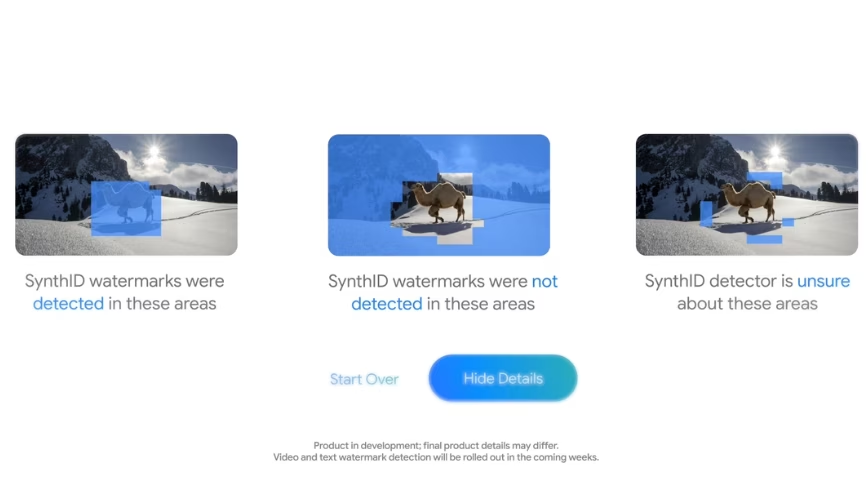
Google’s SynthID watermarking system was used by Snopes to expose a high-profile deepfake image of Senator Mitch McConnell. The AI-generated image showed McConnell in a hospital bed, appearing severely ill and connected to medical tubes. It spread widely across Reddit and X before being confirmed as synthetic through SynthID’s embedded watermark.
Why it matters
This event marks the first real-world success for SynthID in debunking a viral deepfake. SynthID embeds invisible watermarks into images during AI generation, allowing verifiable detection after the fact. For operators, founders, and regulators, this means a new tool to identify manipulated media with high confidence, cutting down on misinformation’s reach and impact. It raises the bar on trust verification for AI-generated visual content and forces those relying on synthetic images to factor in watermarking for authenticity.
What to watch next
SynthID’s practical effectiveness in more high-stakes or viral content will be critical to watch. If this system scales beyond a single exposure and integrates with platforms that host large volumes of user-generated images, it could pressure malicious actors to either abandon certain deepfake tactics or reveal underlying AI use. Businesses that rely on AI-generated images will also need to adapt workflows to include watermark detection. Regulators may take note to mandate similar traceability standards to mitigate AI-driven misinformation.
AI Quick Briefs Editorial Desk