Jon and Mindy Gray bet $55M on AI to catch cancer before it starts
What happened
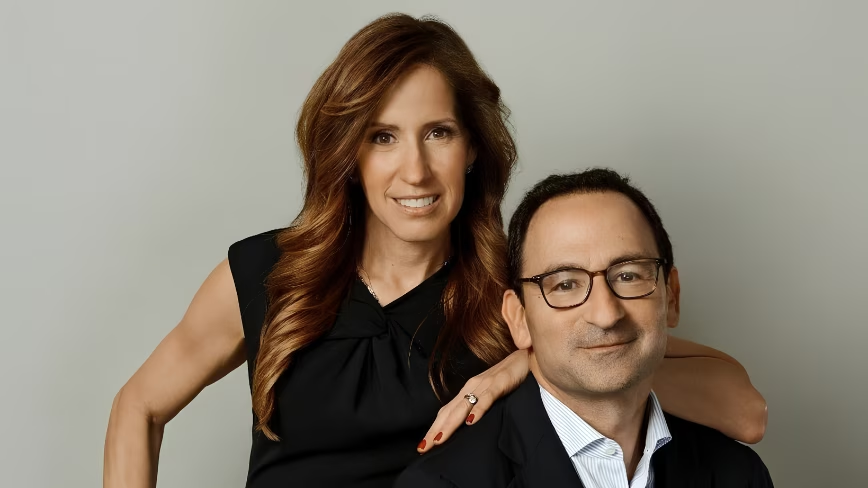
Jon and Mindy Gray committed $55 million to launch a new institute at the University of Pennsylvania’s Basser Center focused on using artificial intelligence and biomarkers to detect hereditary cancers before symptoms or tumors appear. This institute aims to shift cancer intervention from treatment to early interception, targeting genetic markers and subtle biological signals to stop cancer development at its inception stage.
Why it matters
Most cancer philanthropy funds detection and treatment after cancer manifests visibly. This bet on AI-powered interception forces a rethink of cancer management by emphasizing prevention through early biomarker detection. If the approach works, it could reduce treatment costs, improve patient outcomes, and relieve pressure on healthcare systems aiming to manage late-stage cancers. For AI practitioners, it highlights investment opportunities where data-driven diagnostics directly influence clinical decision-making. Investors and founders should note rising interest in AI tools that support precision health and personalized risk assessment.
What to watch next
The institute’s progress in validating AI models with robust datasets and clinical trials will determine if early intervention with hereditary cancers becomes scalable. Watch for partnerships between AI startups, medical centers, and pharmaceutical firms that could accelerate this interception approach. How regulators respond to using AI for proactive cancer detection will also set precedents that affect clinical adoption timelines. Finally, observe if this initiative drives similar investments in AI projects aimed at anticipating and preventing disease before symptom onset.
AI Quick Briefs Editorial Desk