A Tesla on Autopilot plowed into a Texas home. The woman inside didn’t survive.
What happened
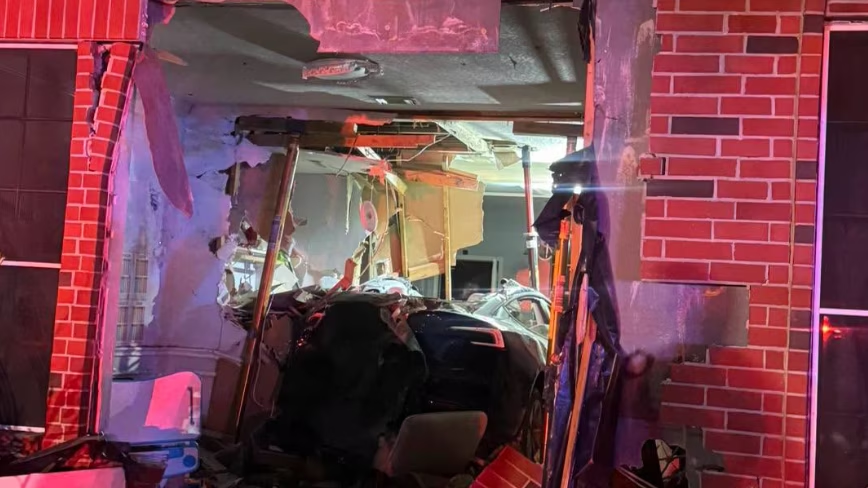
A Tesla Model 3 collided into a Texas home at high speed, killing a 76-year-old woman inside. The driver, Michael Butler, told police he had Autopilot engaged when he lost control. The crash prompted an investigation by the National Highway Traffic Safety Administration. Local law enforcement confirmed that an automated driving assistance system was active during the incident.
Why it matters
This crash underscores the limits and risks of Tesla’s Autopilot system when users rely too heavily on partial automation. Autopilot remains a driver assist feature, not a fully autonomous driving system. Fatal collisions like this one pressure regulators to tighten oversight over automated driving systems. For Tesla and similar companies, repeated incidents increase legal, regulatory, and reputational risks that could slow deployment or require costly redesigns. For users, it raises trust and safety concerns that could reduce adoption or increase liability.
What to watch next
Watch for NHTSA’s investigation outcomes and potential regulatory actions affecting Tesla and other makers of driver assist technologies. Also monitor any legal developments involving liability for crashes under Autopilot and how Tesla responds with software updates or driver monitoring improvements. For operators and small fleet owners using driver assist technologies, this incident signals the need to enforce strict human oversight and not treat Autopilot as hands-off driving.
AI Quick Briefs Editorial Desk