Stellantis, Wayve and Uber to Develop Global Robotaxi

What happened
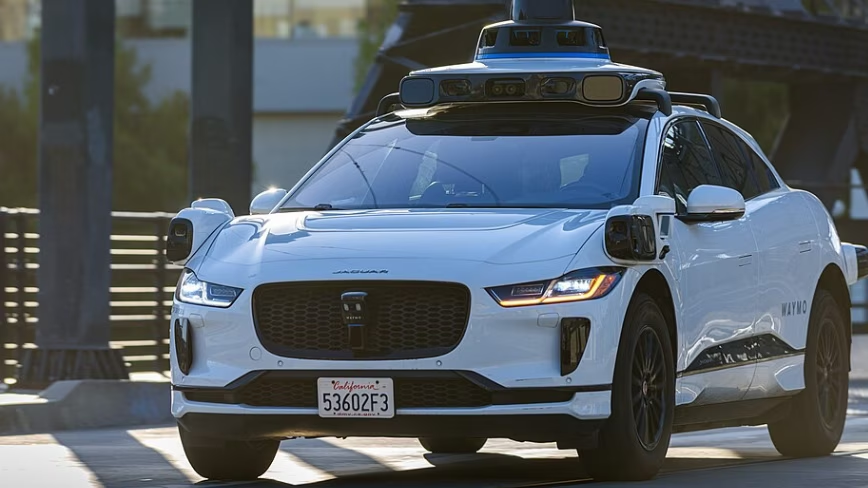
Stellantis, Wayve, and Uber have teamed up to build a global robotaxi network. The collaboration combines Stellantis’ vehicle manufacturing scale, Wayve’s autonomous driving AI, and Uber’s ride-hailing platform. The goal is to develop and deploy autonomous robotaxis worldwide, aiming to accelerate market entry and expand commercial reach.
Why it matters
This joint effort tightens competition in autonomous mobility by pooling resources from an automaker, a tech AI startup, and a major mobility service. Stellantis gains direct access to advanced self-driving technology, avoiding costly in-house AI development. Wayve gets a fast track to real-world deployments backed by Uber’s massive user base. For Uber, owning the autonomous stack reduces reliance on human drivers, lowering costs and operational risks. This trio could pressure other robotaxi players to integrate hardware manufacturing, AI software, and ride services more closely to stay competitive.
What to watch next
The partnership’s success will hinge on scaling Wayve’s AI to robustly handle diverse city driving conditions worldwide. Watch for milestones on pilot programs, regulatory approvals, and vehicle rollouts that reveal how quickly and widely their robotaxis hit the streets. Any advances in AI perception, decision-making, or fleet management emerging from this trio could reset expectations on cost and reliability. Investors and operators in autonomous driving should monitor how this alliance shifts market power and investment toward integrated robotaxi platforms.
AI Quick Briefs Editorial Desk