Midjourney says its new full-body scanner beats an MRI. It has never built hardware before.
What happened
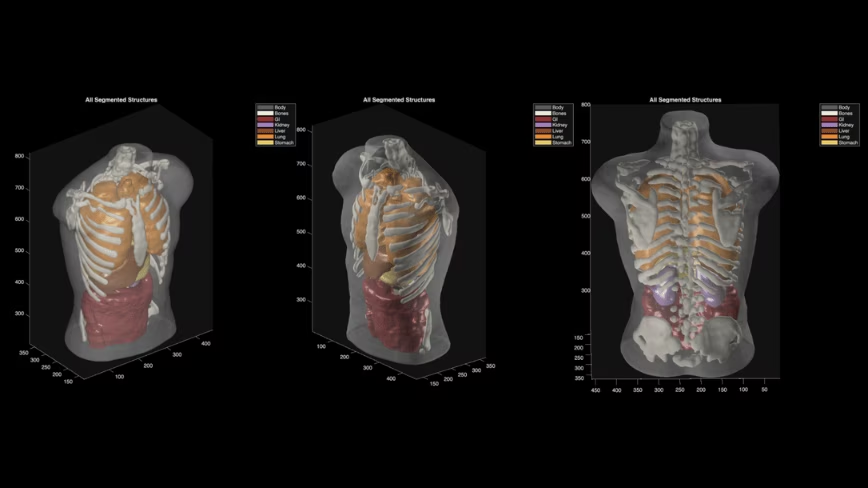
Midjourney, previously known only for AI-generated images, has entered the hardware arena with a full-body medical scanner. Founder David Holz unveiled this device, called The Midjourney Scanner, on June 17 in San Francisco. This marks the company’s first move beyond software, launching a new division focused on medical technology. The scanner claims to outperform MRI machines for full-body imaging.
Why it matters
Midjourney’s shift into hardware, especially in medical imaging, is unusual for an AI startup focused on creative tools. The claim that its scanner beats MRI technology puts pressure on traditional diagnostic hardware makers. MRI machines are expensive, bulky, and time-consuming, so a faster, cheaper alternative could disrupt medical imaging workflows and budgets. If the scanner delivers on those promises, hospitals and clinics may reconsider large capital investments in MRI equipment. For operators, that means potential cost savings and faster patient throughput, which are critical in healthcare settings. It also expands AI’s reach from software automation into physical diagnostics, raising the bar for startups aiming to cross that boundary.
What to watch next
Verification of Midjourney’s performance claims will be crucial. Independent clinical testing and regulatory approvals will determine whether the scanner can replace or complement MRI. Watch for partnerships with medical institutions and rollout plans that show whether Midjourney can scale hardware manufacturing and distribution. Also track how traditional MRI companies respond—whether they accelerate innovation or push back through regulation. The launch signals a tougher competitive environment for medical imaging and hints at more AI startups moving into hardware-sensitive domains.
AI Quick Briefs Editorial Desk