NHTSA says the Tesla Model Y is the first car to pass its new safety tests. The agency is simultaneously in…
What happened
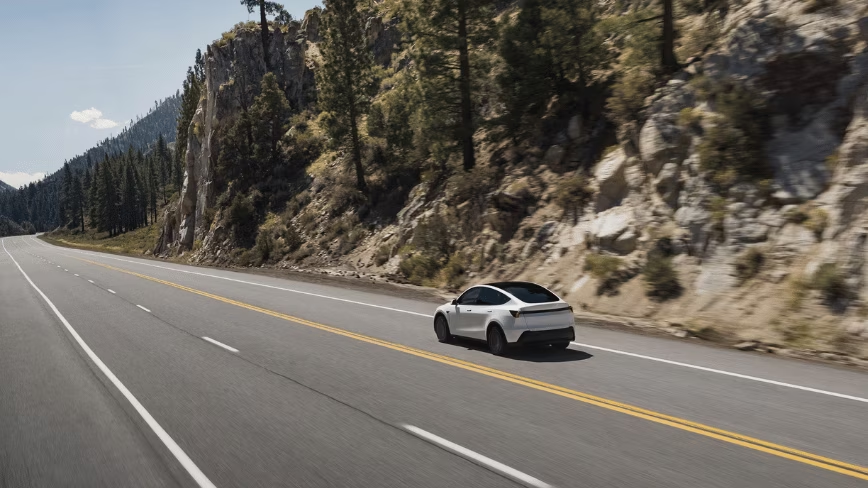
The National Highway Traffic Safety Administration announced that the Tesla Model Y is the first vehicle to pass new advanced driver assistance system (ADAS) safety tests. At the same time, the agency is investigating about 3.2 million Tesla vehicles involved in crashes while using Tesla’s more advanced self-driving software. This gives Tesla an unusual mix of praise for meeting safety benchmarks while facing scrutiny over real-world crash data.
Why it matters
This development pressures Tesla to balance innovation with proven safety. Passing the ADAS test sets a new, measurable safety standard for driver assistance technologies and rewards Tesla for reaching it. However, the crash investigation exposes gaps or risks in Tesla’s self-driving systems, which could slow adoption or raise regulatory costs. The split message reshapes incentives for Tesla and other automakers to prioritize demonstrable safety, not just technology rollout speed. Regulators gain a stronger footing to demand transparency and improvements, while consumers gain clearer benchmarks for safety claims.
What changes in practice
Builders and developers of driver assistance systems will now face tougher, standardized safety tests that raise the bar for real-world validation before launching or scaling products. Tesla and other automakers must invest more heavily in compliance, testing infrastructure, and monitoring crash data linked to their software. Founders in the autonomous vehicle space should expect longer certification timelines and increased regulatory scrutiny, which will affect funding rounds and product roadmaps. Buyers should verify which safety benchmarks have been met and watch for ongoing crash investigations that may impact resale value or insurance costs. Investors will price Teslas and other ADAS startups more carefully, factoring in the cost and risk of regulatory probes and recalls. Security and compliance teams must integrate new crash data analytics to identify software faults quickly, reducing exposure to liability and operational disruption.
Who should pay attention
Vehicle manufacturers and ADAS system makers should watch Tesla’s regulatory and market response closely, as it signals tougher safety standards on the horizon. Autonomous vehicle investors and corporate buyers need to consider these new compliance costs and reputational risks before committing capital. Regulators and safety advocates will find Tesla’s mixed results useful for shaping stricter oversight around driver assistance software. Insurance companies will see impact in risk modeling and premium pricing for devices cleared by NHTSA tests versus those under investigation. Finally, automotive software developers should prepare for increased expectations on crash-proofing features and transparency in performance data.
What to watch next
Pay attention to updates on the NHTSA’s investigation results for the 3.2 million Tesla vehicles, especially if enforcement actions, recalls, or software patches are mandated. Look for whether other carmakers achieve or fail the new ADAS safety tests, which will indicate how strict and influential the standards become. Tesla’s next earnings or investor communications will likely reveal how this dual status influences customer demand and R&D spending. Industry reactions, including shifts in insurance pricing or regulatory proposals post-investigation, will clarify if this story reshapes automotive safety norms or fades as a regulatory noise event.
AI Quick Briefs Editorial Desk