Uber’s robotaxi partner crashed 16 times in four months. The regulator called it “excessively assertive and…
What happened
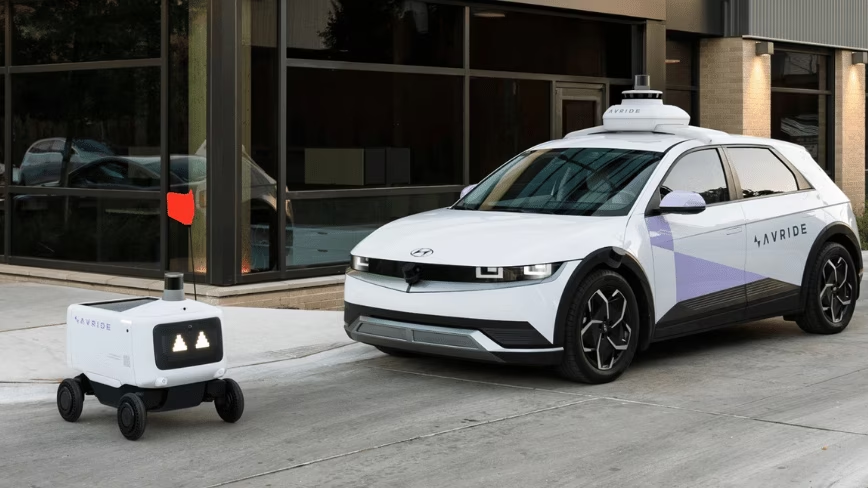
Uber’s autonomous vehicle partner Avride has been involved in 16 crashes over just four months after launching its robotaxi service in Dallas. The National Highway Traffic Safety Administration opened an investigation, describing Avride’s vehicles as “excessively assertive and insufficiently capable.” One of these incidents caused a minor injury, raising serious red flags about the safety and readiness of these self-driving cars on public roads.
Why it matters
This investigation puts real pressure on the pace of autonomous vehicle deployment. It exposes a gap between the technology’s promises and its current reliability, especially in complex urban environments. Regulators are now less likely to give leeway to robotaxi programs that don’t meet safety benchmarks. For Uber and similar players, this weakens trust and could slow startups’ path to commercial scale, forcing higher costs to patch risks or meet tighter scrutiny. The blunt language from the regulator signals that self-driving systems cannot afford aggressive driving behavior at the cost of safety.
What changes in practice
For builders developing autonomous driving software, the pressure to refine decision-making models increases sharply. Riskier, aggressive driving algorithms must be dialed back in favor of smoother, more predictable behavior to satisfy regulators and insurers. Founders running robotaxi services can expect longer qualification hurdles and will need additional investment for safety audits and compliance work. Buyers and cities considering robotaxi services should now factor in elevated vendor risk, demanding transparent crash data and response plans before committing. Investors must adjust expectations on timelines and capital needs, accounting for costly investigations and remediation. Security and compliance teams at these companies will face stricter requirements to prove that AI training data and driving logic mitigate aggressive or error-prone behavior, which may add to development and operational overhead.
Who should pay attention
Robotaxi operators and autonomous vehicle developers are the most affected, as the regulatory blow raises the bar for safety verification and public acceptance. Urban transport planners and city officials must scrutinize vendors more closely before approving on-street testing and commercial launch. Investors betting on early mobility startups need to recognize that safety incidents can quickly delay deployments and increase funding demands. Insurance providers writing policies for robotaxis must adjust risk models based on this uptick in crashes and poor driving judgment by AI systems. Finally, consumers and local communities will feel the consequences as these issues influence how quickly and safely robotaxi services become a permanent urban fixture.
What to watch next
Track how Avride responds with software updates, safety countermeasures, and data transparency. Watch for the NHTSA’s investigation findings and whether they impose operational constraints or demand recall-type fixes. Any follow-up crash reports from Avride or other robotaxi providers will indicate if industry-wide aggressive driving behavior remains a systemic problem. Pay attention to changes in regulatory requirements for self-driving vehicles that include more explicit caps on AI decision-making aggressiveness. Finally, investor funding patterns and city permit approvals for other robotaxi startups will reveal how much this investigation shifts the timeline and cost of bringing autonomous taxis to market.
AI Quick Briefs Editorial Desk