How to Build Vector Search From Scratch in Python
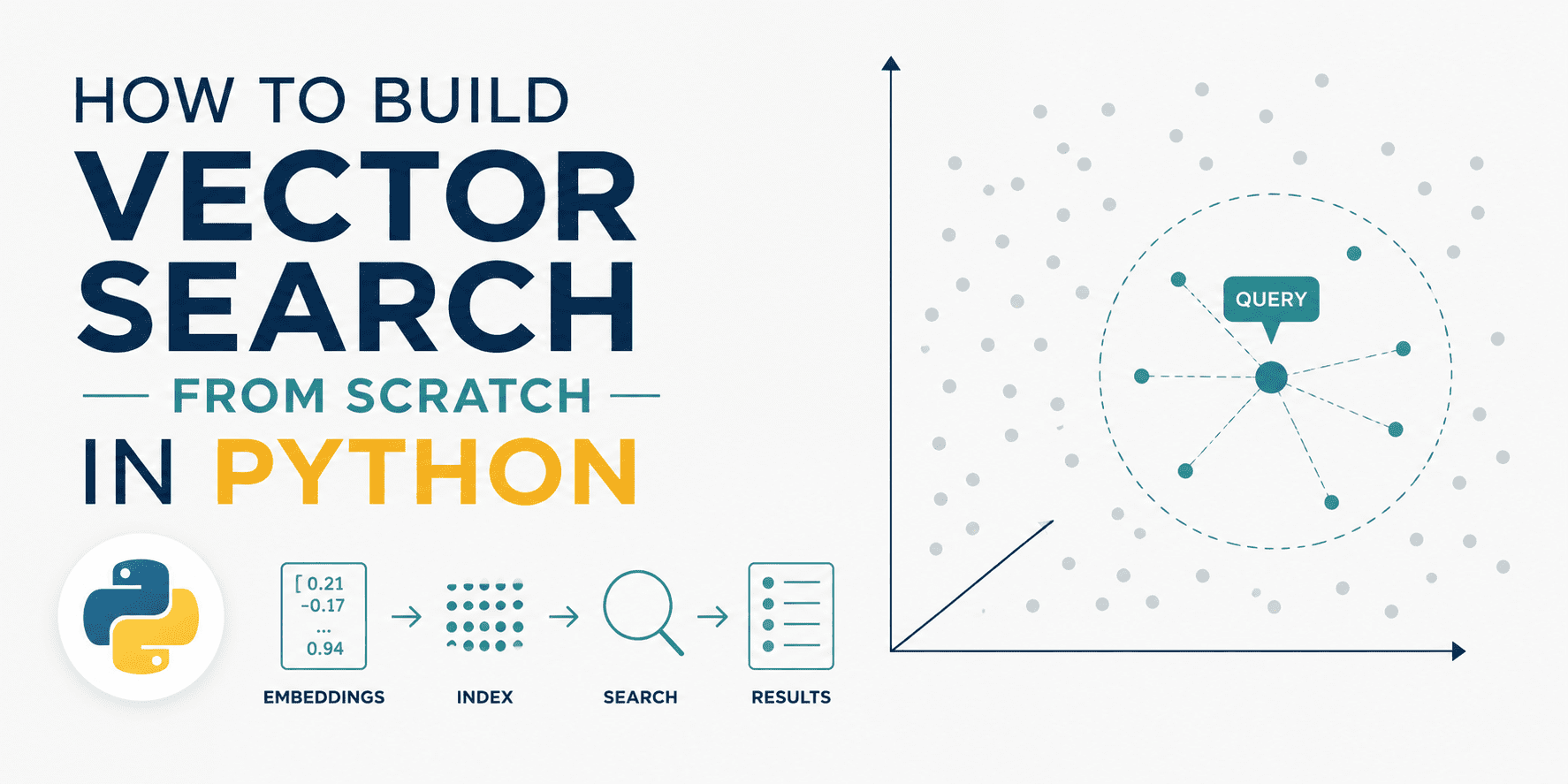
The article explains how to build a vector search engine from scratch using Python, covering the key steps like creating embeddings, measuring similarity, and implementing basic retrieval logic. It walks through the process of converting text or other data into vectors or numerical representations. Then, it shows how to compare these vectors to find items that are closest or most relevant based on calculated distances or scores. This hands-on guide helps readers understand the core mechanics behind vector search without relying on complex libraries or pre-built frameworks.
This is important because vector search has become a crucial technology for many AI applications. Search engines, recommendation systems, chatbots, and image recognition tools all depend on efficient methods to match queries with relevant content. For developers and businesses, knowing how vector search works under the hood allows for better customization and optimization. It can also reduce dependence on commercial cloud solutions, potentially cutting costs and improving privacy by keeping data processing local.
Vector search solves the problem of traditional keyword-based searches, which struggle with understanding meaning or context. By using embeddings, which transform textual or visual information into fixed-length vectors, machines get a way to grasp semantic relationships. This fits into the bigger AI picture as it supports semantic search, natural language understanding, and other areas where recognizing similarities beyond exact matches is critical. As AI advances, vector search will remain a core tool for connecting users with information in intelligent ways.
The article signals that vector search is now more accessible to a broad audience due to clear programming tutorials and open access to embedding models. This democratization means more developers can experiment and innovate, leading to richer, more accurate search functions in diverse applications. Moving forward, we should watch for improvements in vector indexing methods, scalability solutions, and hybrid approaches combining vector search with traditional techniques. These will enable faster, more precise retrieval from ever-growing datasets.
— AI Quick Briefs Editorial Desk