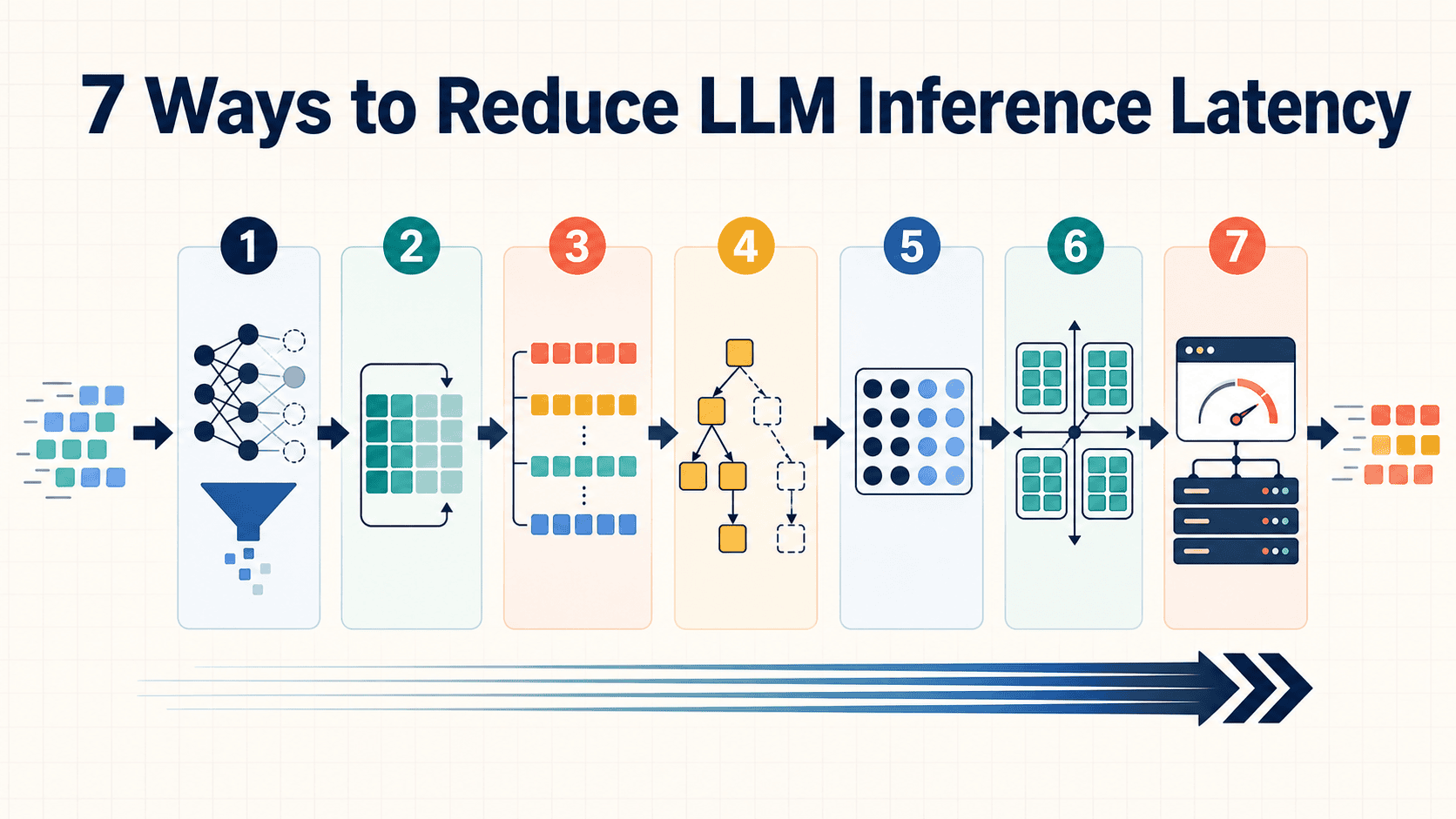
Static vs. Dynamic vs. Continuous Batching in LLM Inference

Quick take
Static, dynamic, and continuous batching describe how large language model (LLM) inference workloads combine multiple requests during processing to improve efficiency. Static batching sets a fixed batch size upfront and waits for enough requests to fill that batch before running inference. Dynamic batching waits for a defined time window to collect as many requests as possible, then processes them together, even if the batch size varies. Continuous batching keeps collecting requests and processing partial batches constantly, aiming to keep compute fully utilized with minimal waiting.
Why it matters
The batching method used directly impacts latency, throughput, and compute cost for deploying LLMs in production. Static batching offers simple predictable costs but often wastes resources or increases latency while waiting for batches to fill. Dynamic batching balances throughput and responsiveness, reducing wasted cycles but adding complexity in queue management. Continuous batching maximizes compute use and minimizes latency spikes but requires more sophisticated scheduling and infrastructure.
For builders and operators, understanding these differences pressures infrastructure choices and workload design. The wrong batching strategy can inflate GPU costs, slow down user response times, or complicate scaling decisions. Decisions between them are trade-offs between cost efficiency and latency guarantees that affect customer experience and cloud budget.
AI deployments with tight latency requirements or uneven query volumes benefit most from dynamic or continuous batching to keep costs down without frustrating users. Static batching may still fit simple use cases where workload is predictable and cost budgets are fixed. Teams should view batching as a lever to tune service quality versus cloud spend rather than an afterthought in LLM inference design.
AI Quick Briefs Editorial Desk