7 Approaches to Reduce Inference Latency in Your LLM Workflows
What changed
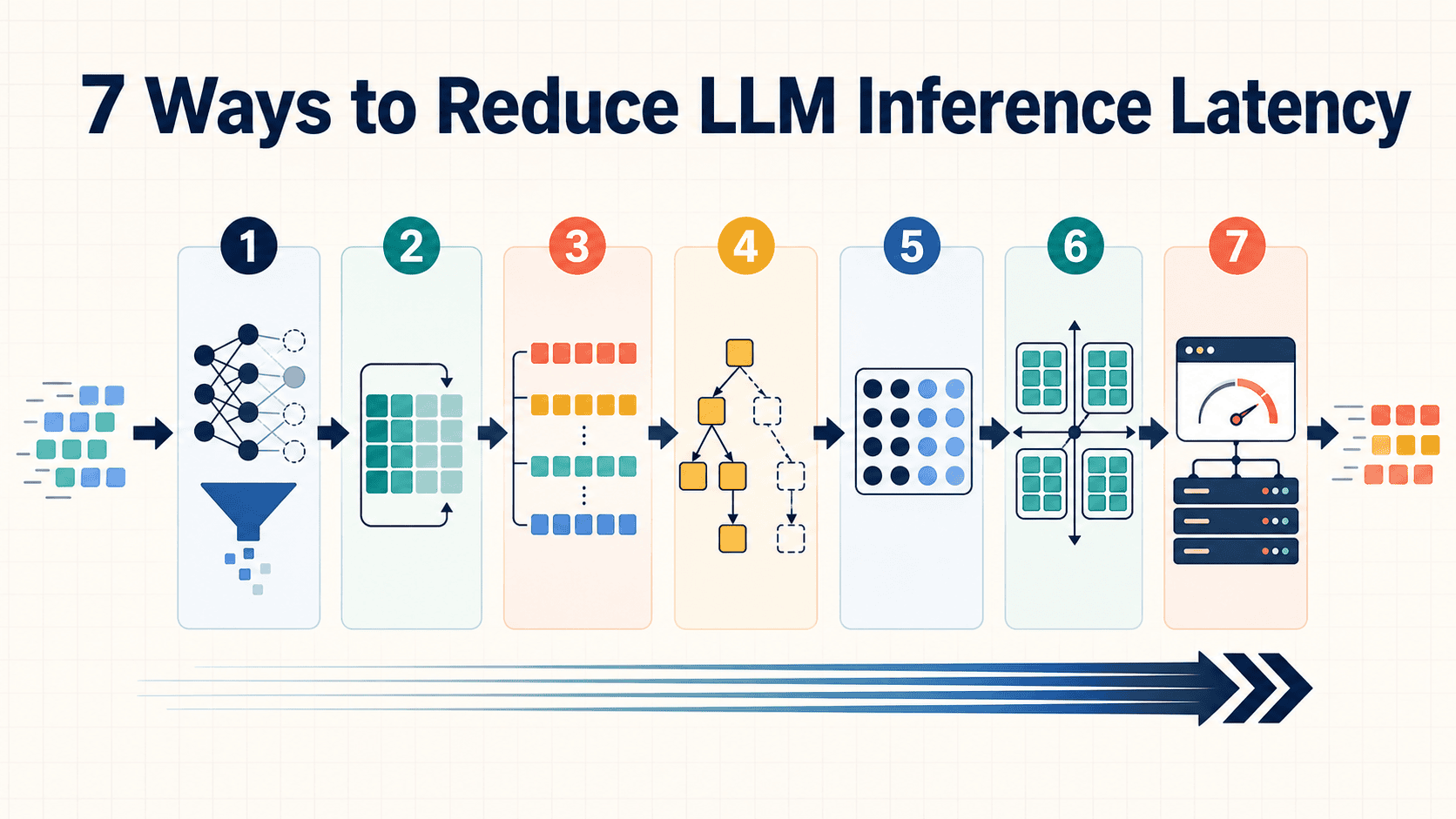
Seven engineering techniques targeting inference latency in large language model workflows offer practical ways to speed up generative AI applications. The approaches include quantization, model pruning, knowledge distillation, batching requests, caching repeated outputs, early exit or adaptive computation, and speculative decoding. These methods cut down the time it takes for a model to produce responses by simplifying computations, reducing model size, or predicting likely outputs sooner.
Why builders should care
Reducing inference latency is critical when deploying AI models in real-world settings where responsiveness impacts user experience and operational costs. Slower models increase compute expenses and frustrate users, while faster models can handle more users at lower cost and enable real-time applications like chatbots, personalized assistants, or dynamic content generation. Builders managing workflows at scale need these strategies to control infrastructure spend while meeting strict service-level agreements.
The practical takeaway
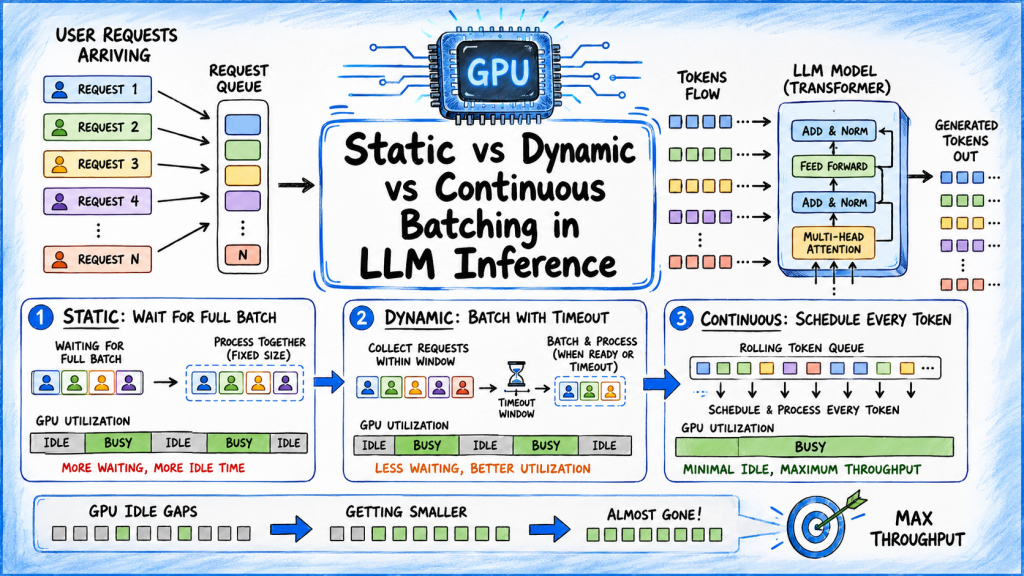
No single technique fits all scenarios. Quantization trades some precision to run models faster on hardware that supports lower-bit computation. Pruning removes non-essential model parts at the expense of some accuracy. Knowledge distillation trains smaller, faster proxy models that approximate bigger ones. Batching and caching optimize resource use across multiple requests to maximize throughput. Early exit and speculative decoding aggressively shortcut computation by predicting tokens with less decoding effort. Combining these approaches tailors model performance to application needs and infrastructure constraints.
Adopting these strategies pressures operational teams to understand AI model internals more deeply. It raises the skill bar around performance engineering and model lifecycle management. It also shifts vendor discussions toward not just model accuracy and scale but responsiveness and cost efficiency. Builders juggling latency, accuracy, and infrastructure budget must balance tradeoffs carefully, as aggressive reduction techniques can degrade output quality.
What to watch next
Expect further innovation in model architecture and infrastructure designed for low-latency inference. Hardware accelerators and edge deployments will amplify the benefits of these methods. At the same time, observability tools tracking latency impacts on end-user experience will become essential to fine-tune workflows. Providers pushing large-scale deployments will differentiate by how efficiently they translate powerful models into responsive services.
In short, mastering inference latency reduction will be a key competitive factor in generative AI production.
AI Quick Briefs Editorial Desk