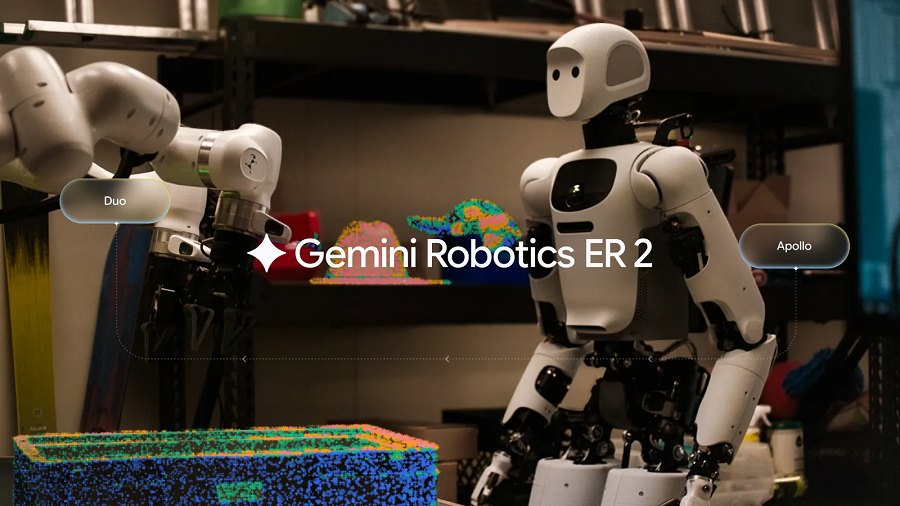
Robotics and edge AI put new pressure on computing infrastructure

What changed
Robotics, autonomous systems, and intelligent devices are pushing AI out of data centers and directly into physical environments. This shift demands new computing infrastructure that can handle AI inference locally, securely, and cost-effectively. Rafay Systems is stepping in with orchestration software that allows providers to share GPU resources efficiently. Instead of dedicating entire GPU servers to single customers, providers can now run open AI models on shared infrastructure. This changes how hardware and cloud resources get allocated for edge AI workloads.
Why builders should care
Developers and operators working on robotics or edge AI face unique constraints compared to typical cloud AI deployments. AI models must run economically on machines deployed remotely or in the field, often with limited bandwidth and higher security needs. Traditional cloud GPU setups with fixed resource assignments will not scale or cost less for these use cases. Rafay’s approach lowers the entry barrier by enabling multi-tenant GPU sharing and orchestration optimized for edge demands. This frees builders from managing isolated, expensive GPU infrastructure for every deployed AI device or robot.
The practical takeaway
If building robotics or intelligent physical devices, expect infrastructure to evolve beyond conventional cloud boundaries. Choosing orchestration platforms designed for edge AI will be critical to keep compute costs manageable and ensure secure, reliable model inference locally. Providers unlocking GPU sharing models will make open AI models more accessible without requiring heavy up-front investment in dedicated hardware. Operational teams should prepare for hybrid environments that connect on-premises, edge, and cloud resources in one coherent stack.
What to watch next
Watch how quickly provider platforms adopt GPU resource sharing for edge inference workloads and how that influences AI model access. Also monitor whether open models delivered through multi-tenant GPU orchestration catch on over proprietary or hardware-locked solutions in robotics and autonomous devices. Pricing models, security frameworks, and integration ease will shape which platforms builders gravitate towards. The biggest shift will be how infrastructure choices directly impact the economics and capabilities of physical AI deployments.
AI Quick Briefs Editorial Desk