Yugabyte targets the missing memory and knowledge layer for enterprise AI agents
What changed
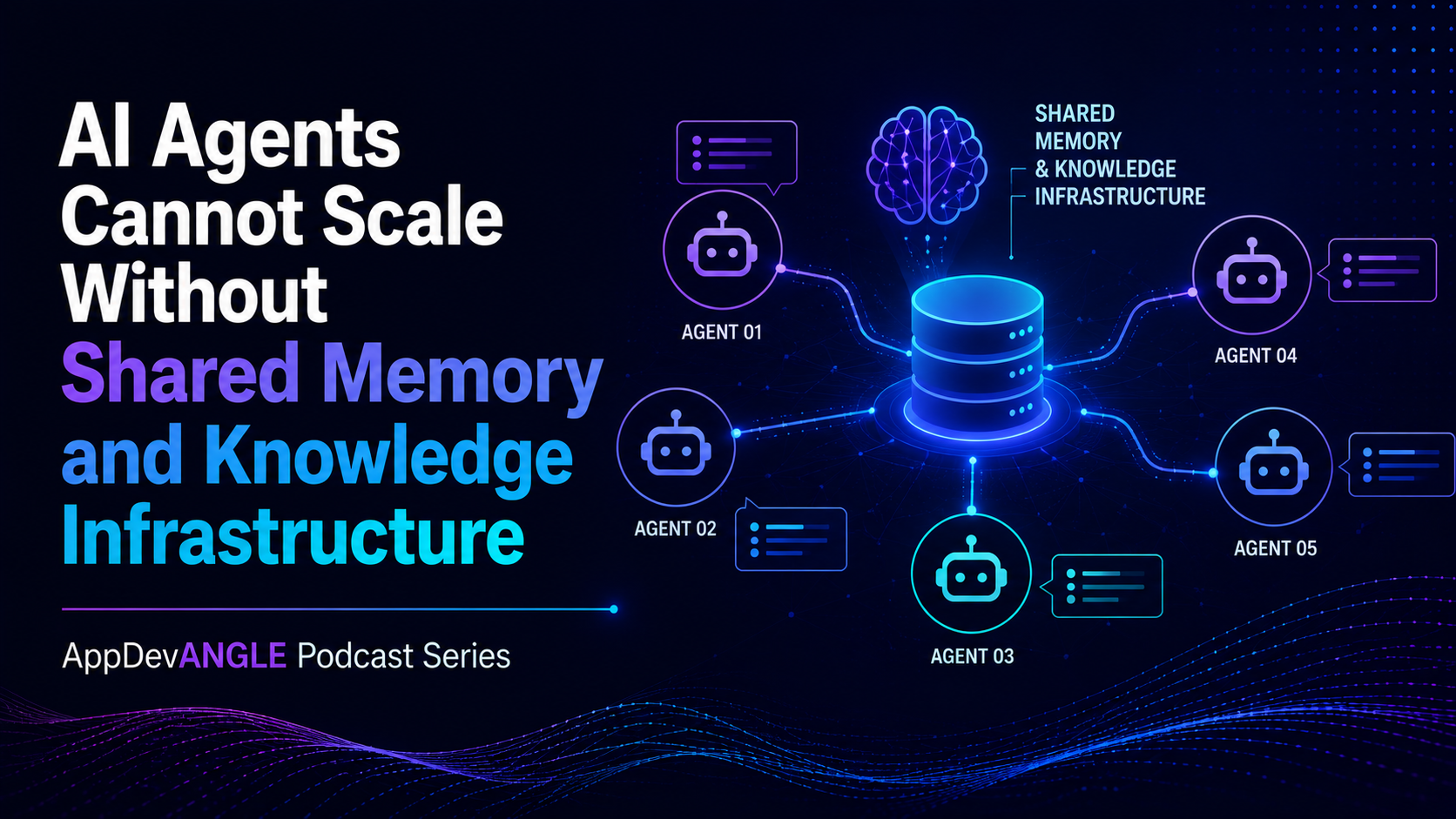
Yugabyte is addressing a critical gap in enterprise AI agents by introducing a memory and knowledge layer designed to retain durable context and share insights across agents. Current AI agents deployed in enterprises often operate statelessly, meaning they forget past interactions and lack a common knowledge base. Yugabyte aims to fix this by providing a system that stores agent decisions, explains prior choices, and allows shared learning among AI agents working in customer support, development, and sales workflows.
Why builders should care
Stateless AI agents limit automation value because they cannot build on previous interactions or collaborate intelligently. This forces companies to repeatedly train agents or rely on human fallback, raising costs and slowing down AI integration. Yugabyte’s approach strengthens agent memory and knowledge sharing, which can shrink operational friction. For builders, this means creating AI workflows that behave more like human teams with a shared understanding, improving decision consistency and reducing redundant effort.
The practical takeaway
Adding a persistent memory layer forces vendors and enterprises to rethink AI architecture. Instead of patching together isolated agents, operators gain systems that track context long-term and synchronize knowledge. This tightens feedback loops and enables continuous learning across workflows. Software that integrates with Yugabyte’s memory layer can deliver smarter customer support, smoother sales operations, and accelerated dev cycles without compromising scalability or system state management.
What to watch next
The next question is how Yugabyte’s memory layer integrates with existing AI platforms and what overhead it adds for storage, latency, and security. Enterprises must evaluate the trade-offs between enhanced agent memory and operational complexity. Tracking adoption across verticals that rely heavily on AI agents will reveal whether durable context becomes a de facto requirement or just a nice-to-have. Also, keep an eye on competing solutions that aim to solve the same statelessness dilemma in agentic AI.
AI Quick Briefs Editorial Desk