Young adults are using ChatGPT to script their in-person conversations. Psychologists call it an “epidemic …
What happened
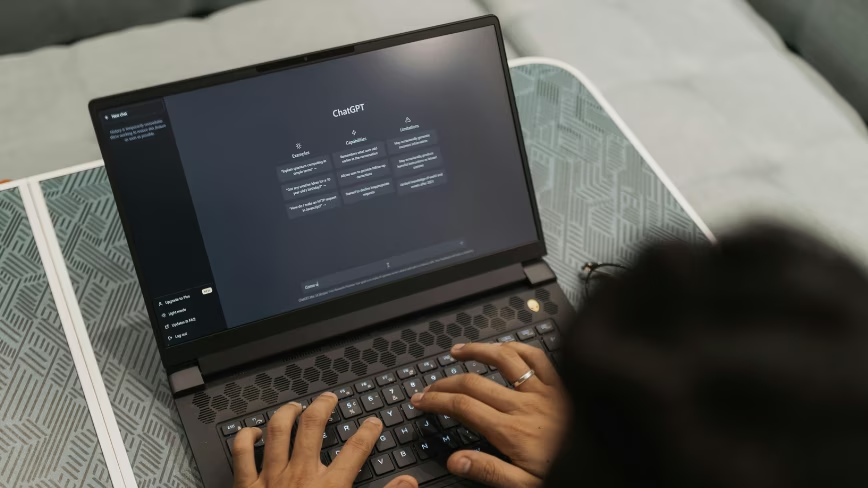
Young adults are increasingly using ChatGPT not just to draft texts but to script their face-to-face conversations. According to reporting from the Wall Street Journal, people in their twenties turn to AI chatbots to help compose dating app messages, generate small talk at parties, and even craft responses on the spot during in-person interactions. A 20-year-old cancer researcher, Niharika Abbaraju, exemplifies this trend. She uses ChatGPT professionally for research, but off the clock relies on it as a conversation coach to navigate social situations. Psychologists describe this as an “epidemic of self-mistrust” fueled by social anxiety.
Why it matters
This behavior illuminates a new form of social dependency on AI that goes beyond productivity or content creation. For founders and operators building communication tools and social apps, AI’s increasing influence over how people interact in real life signals a rising demand for conversational support. The shift pressures social norms by outsourcing real-time thinking to machines, which could weaken interpersonal confidence and authenticity. For businesses investing in AI-driven communication features, this trend reveals a growing market for AI assistants that manage not only written but verbal and social improvisation. At the same time, it raises risks of overreliance on AI, where users lose trust in their own conversational abilities.
What to watch next
Track how AI chat tools evolve to support live conversation coaching and whether specialized conversational AI features emerge tailored for spontaneous social settings. Watch for startups and platforms to incorporate or ban AI prompts in dating, networking, and event contexts, affecting platform trust and user experience. Regulators or ethicists may begin questioning the implications of AI-mediated social interactions on mental health and authenticity. Workplace and social dynamics could also shift as employers and communities weigh the role of AI in enhancing or replacing real interpersonal skills.
AI Quick Briefs Editorial Desk


