xLight’s $350m bet to break ASML’s chip monopoly
The business move
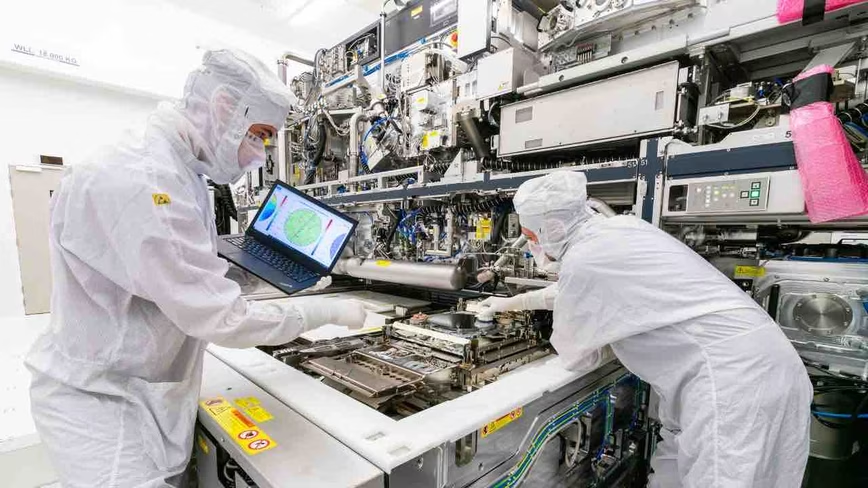
xLight, a US-backed startup led by former Intel CEO Pat Gelsinger, is raising $350 million to develop a new extreme ultraviolet (EUV) light source. This technology aims to break ASML’s tight grip on the chipmaking industry. ASML’s EUV machines are crucial for fabricating the most advanced chips, and their dominance means limited competition and high costs for chip manufacturers. xLight wants to create an alternative light source that could loosen ASML’s monopoly.
Why it matters
ASML’s control over EUV technology sets the price and supply conditions for cutting-edge chip production, directly affecting semiconductor companies and hardware builders. By targeting the EUV light source, xLight aims to disrupt a choke point in chip manufacturing. If successful, this could lower barriers for chip makers, increase supply chain resilience, and potentially reduce costs for AI hardware and other advanced processors. For founders and investors in next-gen chip startups, a new supplier could expand options and accelerate innovation cycles.
Who gains and who gets squeezed
Chip manufacturers and hardware builders stand to benefit if xLight’s light source offers a viable, lower-cost alternative to ASML. This might encourage more suppliers and could push down the price of advanced chips over time. Investors in semiconductor startups focused on AI and deep-tech chips could see better growth prospects due to a more competitive supply base. ASML’s dominant position faces pressure, which could force it to adjust pricing or accelerate product innovation. Meanwhile, companies locked into ASML’s ecosystem may face risks around cost and supply volatility.
What to watch next
Watch for technical progress updates from xLight, especially successful validation of their EUV light source in real chip production environments. Also track any strategic partnerships or customers they secure, which would signal market confidence. The broader chip industry’s response—particularly ASML and its partners—will be critical. Finally, follow related moves from other players targeting chipmaking tooling, including the Dutch rival mentioned taking aim at Nvidia, as the chip hardware ecosystem heats up again around AI demand.
AI Quick Briefs Editorial Desk