Why the tech industry can’t keep up with the AI backlash
What happened
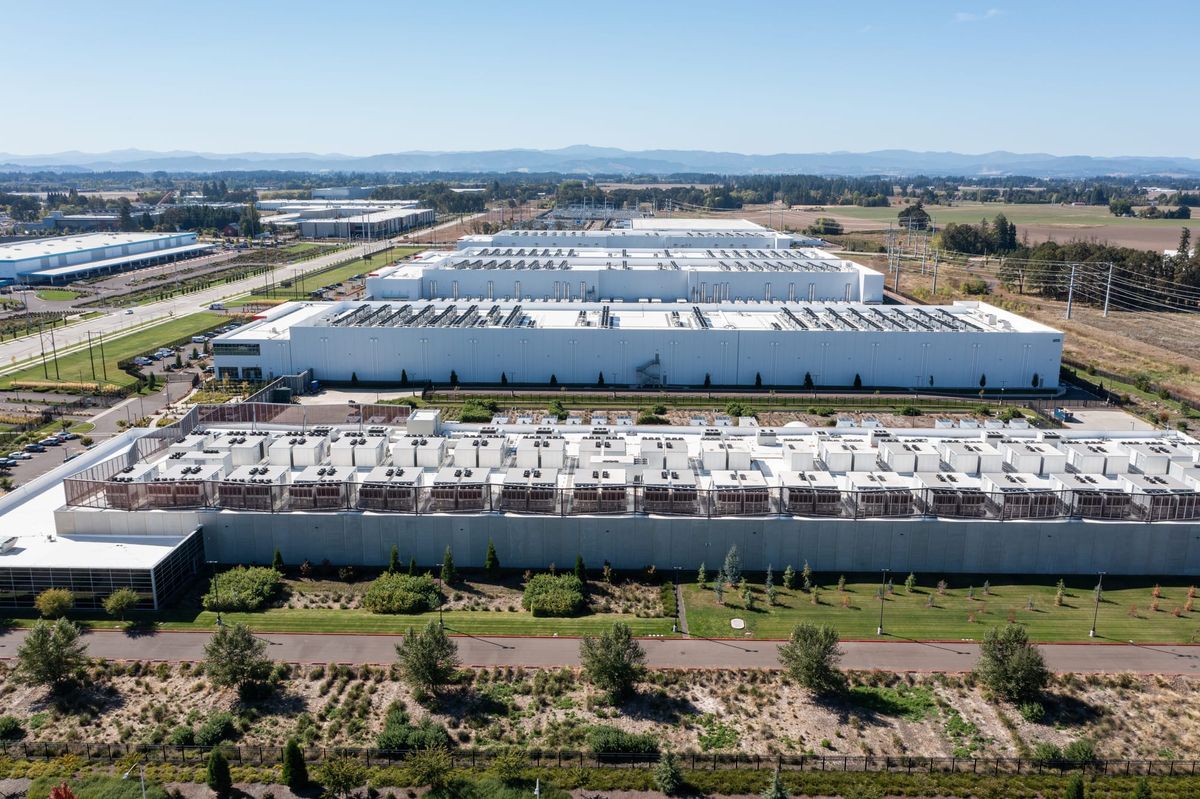
The rapid expansion of artificial intelligence has triggered a significant backlash targeting several industry pain points. AI’s explosive growth is driving soaring electricity demand for data centers, pushing inflation higher, and disrupting job markets faster than companies and regulators can respond. The industry’s external costs—environmental, economic, and social—are accelerating well ahead of effective mitigation efforts.
Why it matters
AI builders and investors face rising pressure from these externalities. The energy hunger of AI infrastructure adds strain to power grids and inflates operating costs, squeezing margins. Wage pressures and job displacement caused by automation generate political and public resistance, increasing regulatory risks and compliance costs. These socioeconomic effects slow adoption and literal expansion of AI deployments, forcing more trade-offs between scaling technology and managing impact. Companies ignoring these externalities risk operational disruptions, higher costs, and damaged reputations.
What to watch next
The industry’s ability to develop more energy-efficient AI models and hardware will be key to balancing demand with sustainability and cost controls. Expect greater scrutiny from regulators on the labor market impacts of automation, which could lead to tougher policies on workforce transition or retraining. Investors will watch for startups and established players that integrate externality management into their business models as a competitive advantage. Finally, the backlash may prompt new collaborations between AI firms, grid operators, and policymakers to align growth with energy and social realities.
AI Quick Briefs Editorial Desk