Why Scientists Redesigned the Botox Enzyme With AI

What changed
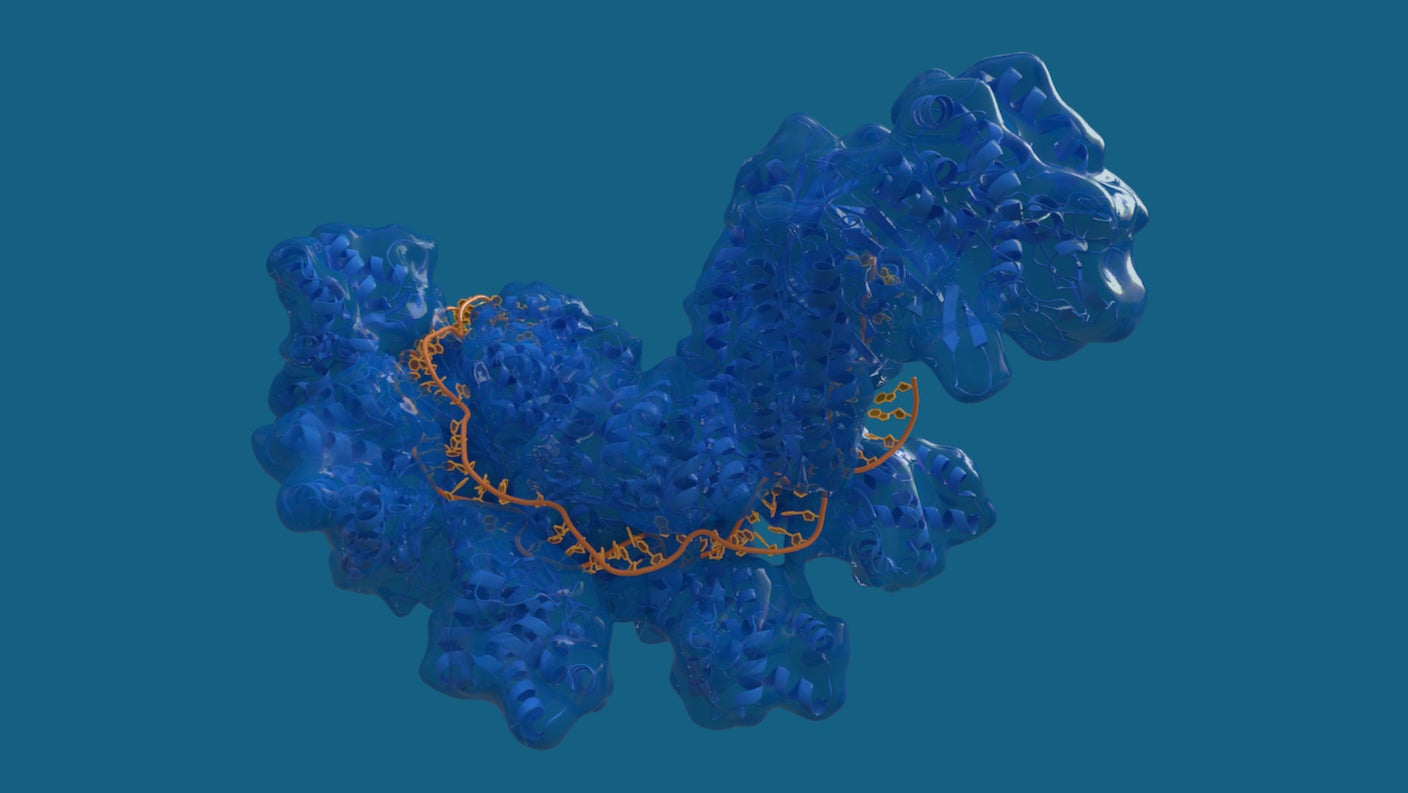
Scientists used AI to redesign the Botox enzyme, improving its ability to cut a protein linked to amyotrophic lateral sclerosis (ALS). Traditionally, engineering enzymes involves slow trial and error, but AI sped up the process by predicting which protein tweaks would work best. This is a direct application of AI to protein design, going beyond theory to show practical gains in engineering precision tools for biological targets.
Why builders should care
Protein engineering is critical for developing new drugs and therapies, but it often faces bottlenecks in testing and optimization. AI lowers the barrier by quickly narrowing down the protein modifications that actually improve function. Builders working on biotech or drug development can apply similar AI techniques to reduce costs and timelines for creating proteins with tailored actions, potentially accelerating therapeutic pipelines.
The practical takeaway
The redesigned enzyme demonstrates that AI can strengthen protein engineering workflows by providing enzyme variants better suited for specific biological targets. For businesses, this means less guesswork and fewer lab experiments, which lowers R&D risks and expenses. It also signals that AI integration into biodesign will increasingly pressure firms relying solely on traditional methods to innovate faster or lose ground.
What to watch next
The next step is seeing if AI-designed enzymes move into clinical or commercial use, particularly for neurodegenerative diseases like ALS. Staying alert to biotech ventures adopting AI protein engineering tools will reveal if this approach scales well beyond lab proofs of concept. Investors and operators should track how regulatory paths and production processes adapt to AI-modified proteins in therapeutics and beyond.
AI Quick Briefs Editorial Desk