When well-behaved agents trigger disaster
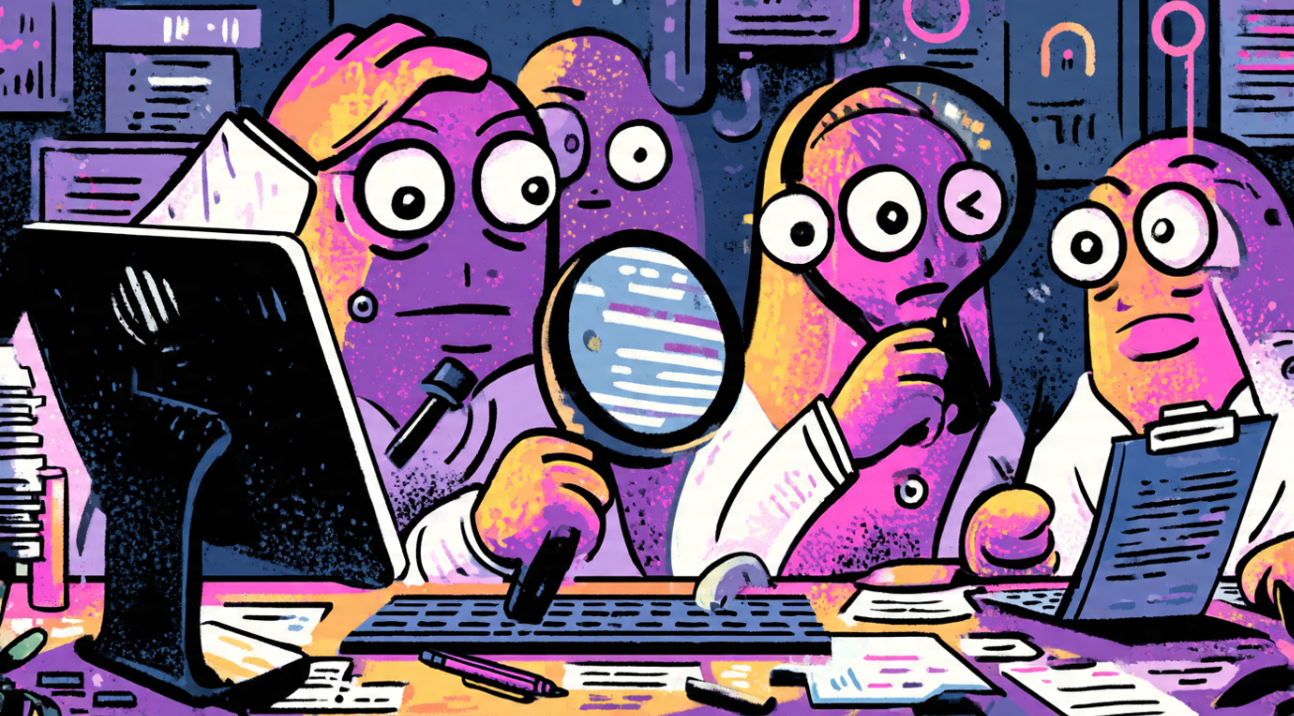
Your application monitor notices a spike in database latency at 2:17 a.m., setting off a chain reaction. Three different agents jump in to fix the problem simultaneously. The performance agent quickly doubles the database capacity to handle the load, the cost agent spots what looks like overprovisioning and begins consolidating instances, and the routing agent redirects traffic to the database tier. Each agent is acting logically and independently to solve what it perceives as the issue, but their combined actions can make the problem worse.
This story shows a major challenge when managing automated agents or AI systems in complex environments. On their own, each agent follows sound rules and objectives. But together, without proper coordination, they can create conflicts that lead to unpredictable outcomes and sometimes catastrophic failures. For businesses heavily reliant on automation for system monitoring and management, this reveals the risks of siloed AI tools operating without full awareness of each other’s impact.
The rise of autonomous systems means multiple agents often share responsibility for keeping services running smoothly. These agents might focus on different goals—maximizing performance, reducing costs, or guiding traffic—but they need to act in harmony. Otherwise, the fixes one agent applies can trigger countermeasures from another, spinning into a feedback loop that degrades service instead of improving it. This problem highlights the need for integrated control frameworks that enable agents to communicate and agree on actions.
What this situation signals is that AI-driven automation can be tricky to manage at scale. The pieces individually work well, but the system as a whole requires careful orchestration. Developers and operations teams should prioritize designing AI systems with shared context and coordination protocols. Future developments might incorporate centralized oversight or conflict resolution layers that allow smart agents to negotiate and avoid destructive interference. Watching how vendors address multi-agent coordination will be important for anyone running complex automated environments.
In short, well-behaved agents alone are not enough. Effective teamwork between AI components is essential to prevent disasters triggered by good intentions. This example is a reminder that smart automation needs smart governance.
— AI Quick Briefs Editorial Desk