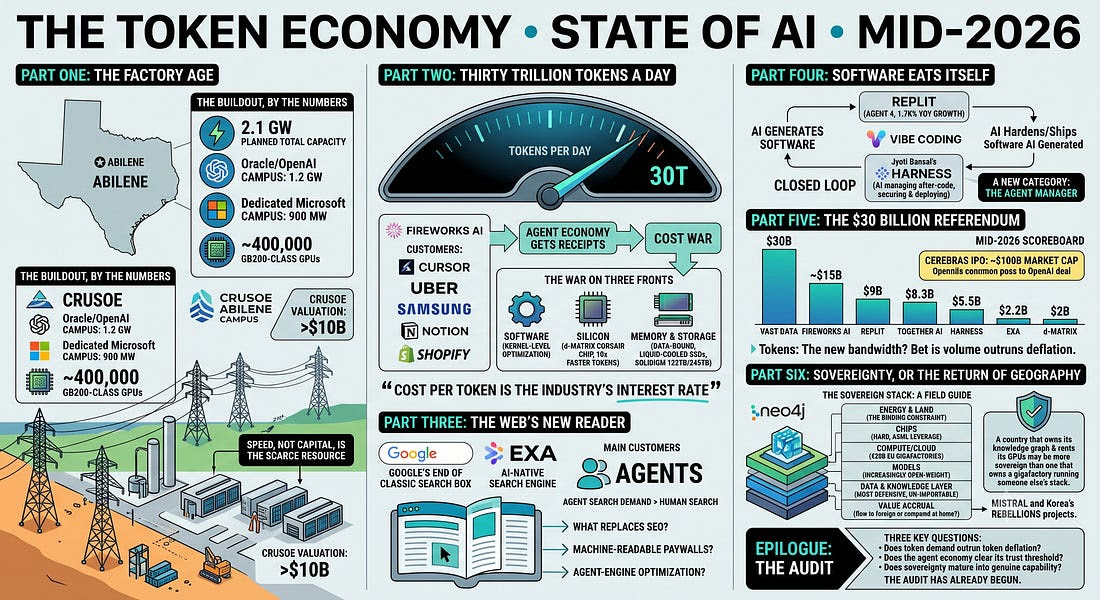
When the sovereign AI diagnosis goes prime time
What happened
Palantir Technologies CEO Alex Karp publicly criticized the artificial intelligence industry during a CNBC interview, calling it “effing insane.” Karp targeted prominent AI companies OpenAI and Anthropic, accusing them of imposing a “wealth tax on American business.” His comments reflect deep frustration with how AI innovation and commercialization are unfolding, particularly by a handful of dominant players.
Why it matters
Karp’s blunt remarks signal tension between sovereign-focused AI companies like Palantir and broad public cloud AI services. Labeling dominant generative AI firms as extractive puts pressure on market dynamics and pricing for AI-powered business applications. It exposes how companies relying heavily on third-party AI tools face rising licensing costs and limited control over their AI stack. For operators, this criticism raises a red flag that AI offerings monopolized by a few players could push up costs and reduce flexibility over time.
What to watch next
Expect growing debate over AI vendor risk, pricing, and sovereign control as companies evaluate their AI strategies. Watch for a push toward diversifying AI supply chains or building proprietary models to avoid “wealth tax” effects. Also, regulators and investors might scrutinize the concentration of AI influence, reshaping partnerships and business models in AI-dependent sectors.
AI Quick Briefs Editorial Desk