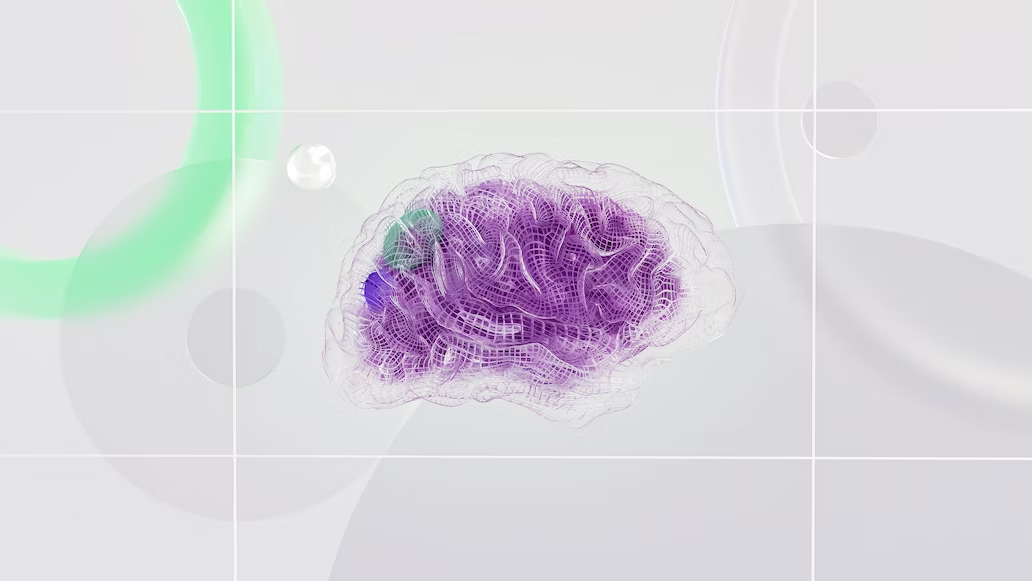
What happens when AI starts building itself?

What changed
Richard Socher’s new startup secured a $650 million investment to build an AI system capable of researching and improving itself on an ongoing basis. The aim is to develop AI that autonomously identifies weaknesses, experiments, iterates, and enhances its own algorithms without constant human oversight. Socher emphasizes the company’s intention to ship actual products rather than just a research experiment or theoretical model.
Why builders should care
Building AI that can self-improve shifts the development landscape from manual, labor-intensive tuning to more automated, continuous refinement. This can accelerate innovation cycles and reduce reliance on scarce AI research talent for incremental advances. If successful, these self-evolving models could handle complex tasks faster and adapt more effectively to new data and environments. However, the move also raises operational challenges around transparency, safety, and quality control when AI systems make changes independently.
The practical takeaway
For founders and operators, this signals growing pressure to incorporate AI that adapts in real time rather than static models that require repeated retraining. Products based on such technology would evolve faster post-launch, potentially improving user experience and reducing downtime caused by manual updates. Investors should weigh how much value autonomous AI improvement brings versus risks from unintended behaviors or difficulty in debugging these evolving systems.
What to watch next
Track how Socher’s startup balances autonomous improvement with governance and product delivery. Watch for early product releases that prove this continuous self-improvement can work in production environments. Also monitor if competitors start pursuing similar self-building AI, which could redefine AI development workflows and change vendor dynamics. Regulatory scrutiny is likely to increase as self-evolving AI’s real-world impacts become clear.
AI Quick Briefs Editorial Desk