Washington wants to sanction Chinese AI for ‘theft’. Nvidia’s Jensen Huang says that’s backwards.
What happened
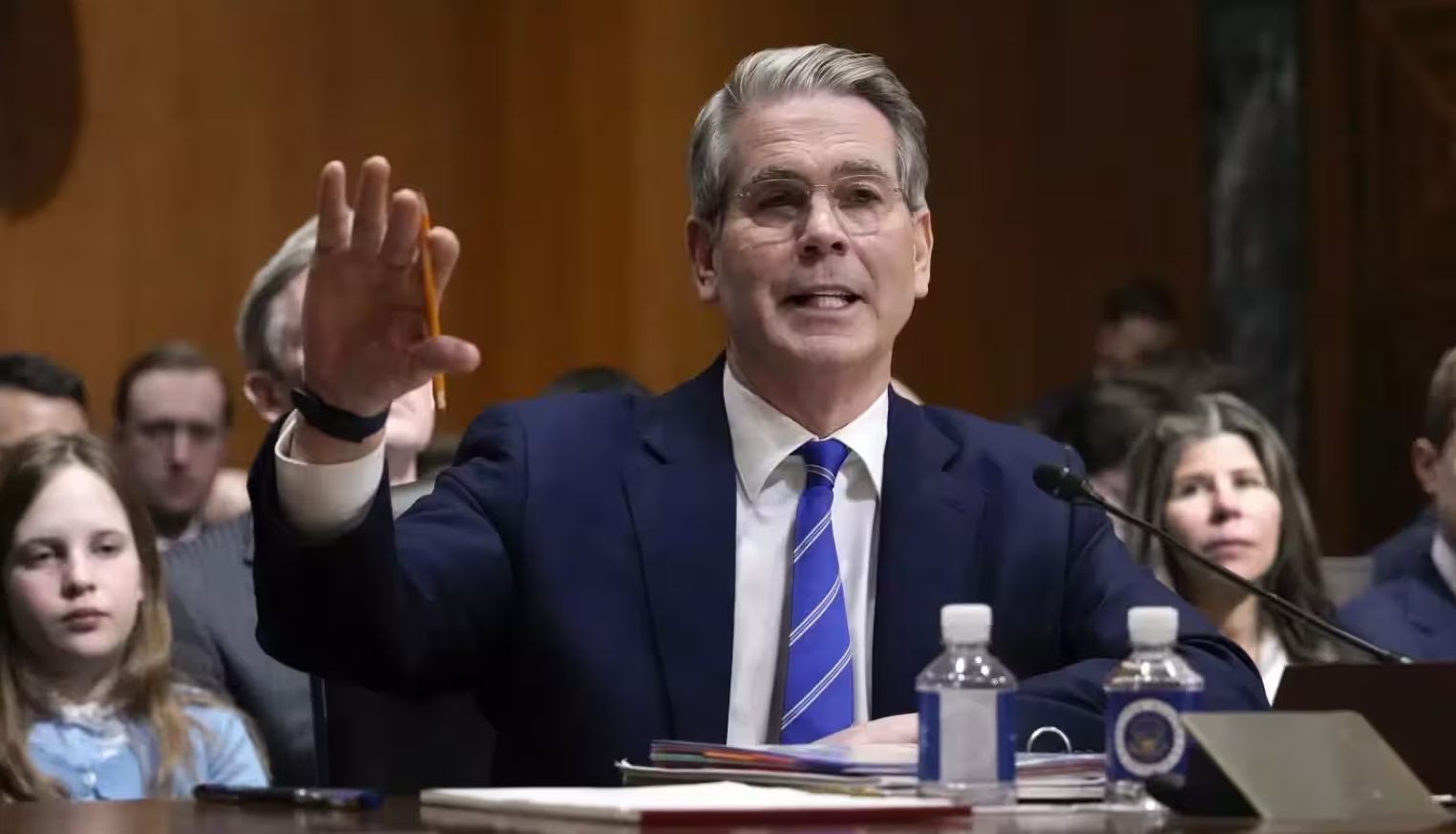
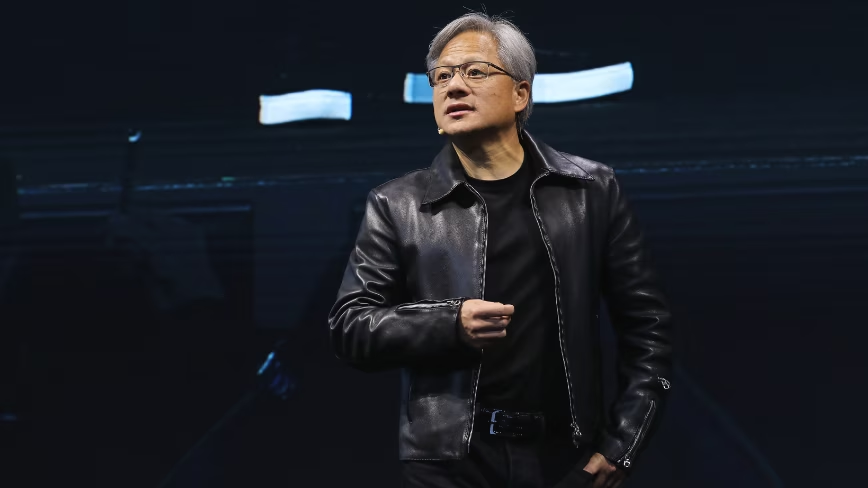
US Treasury Secretary Scott Bessent signaled plans to sanction Chinese AI efforts tied to alleged intellectual property theft. The US government intends to more closely scrutinize Chinese open-source AI models for stolen tech, a move first reported by Bloomberg. At the same time, Nvidia CEO Jensen Huang pushed back against this approach, arguing that targeting Chinese AI development as theft is backwards.
Why it matters
This US-China conflict puts increased pressure on the global AI supply chain and model sharing ecosystem. Washington’s sanctions could restrict Chinese companies’ access to crucial AI technology and hardware, especially Nvidia’s chips that power most leading AI systems. That raises costs and slows innovation for Chinese developers, but also risks fracturing the global AI market and slowing cross-border collaboration.
Huang’s response matters because Nvidia chips are central to AI compute power worldwide. He warns that treating open-source models as stolen property misses the reality of AI development, which deeply relies on shared research and community contributions. If the US tightens restrictions, operators and builders will face tougher choices about complying with export controls or losing access to global AI advancements.
What to watch next
Nvidia’s stance signals potential friction between US regulators and key AI infrastructure providers that could shape future US export policies. Builders and buyers of AI hardware should expect heightened US-China trade restrictions and prepare for higher operating costs or supply bottlenecks.
Watch for how China responds, including possible acceleration of domestic AI hardware development to reduce dependence on Nvidia chips. Also track how US regulators define stolen intellectual property in AI models, as that will affect open-source projects and international AI collaboration funding.
AI Quick Briefs Editorial Desk