Warren accuses AI firms of using trade deals to escape oversight
What happened
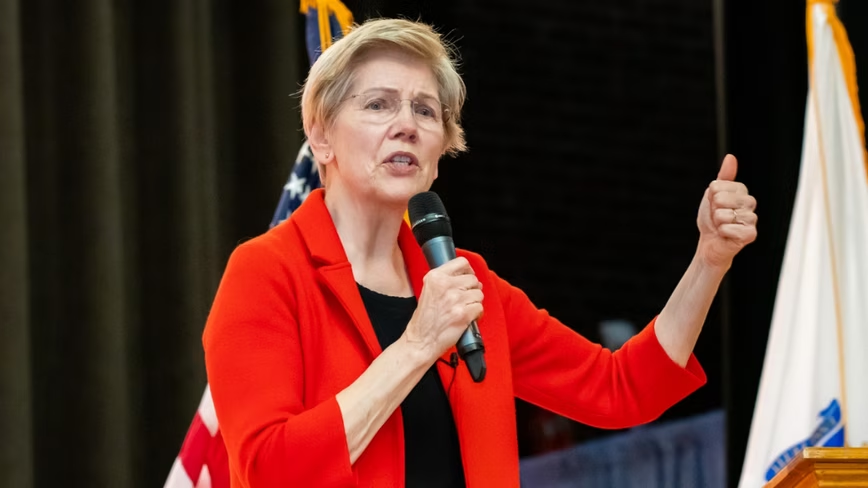
Senator Elizabeth Warren has accused major AI companies of using US trade agreements to limit government oversight. She claims these firms are embedding regulatory restrictions into trade deals that congressional regulators have not agreed to, essentially writing their own rules to avoid tighter controls. This accusation was reported by Reuters on July 23 and shows political tension over how AI should be regulated in the US and internationally.
Why it matters
AI companies pushing for trade deal protections signals a strategic effort to lock in a regulatory environment favorable to their growth and innovation freedom. This maneuver could prevent lawmakers from enforcing stronger safety, ethical, or transparency rules on AI development by treating those rules as trade barriers. For businesses, this raises the risk that meaningful AI oversight will stall or weaken, leaving AI operators with less clarity on compliance and exposing end users to unchecked AI risks.
For investors and founders, it reveals a potential power shift where AI firms gain influence beyond normal regulatory channels by leveraging trade policy. This could affect global competitiveness since these agreements can spread protections internationally, reducing the chance for tighter, country-specific oversight. The move could also slow legislative efforts to address AI harms, making it harder for regulators to catch up with rapid AI advances.
What to watch next
Watch how Congress responds to these allegations and if lawmakers push to reclaim control over AI regulation without interference from trade agreements. Also, track whether AI companies publicly defend using trade deals for regulatory limits or adjust strategies toward direct engagement with regulators.
Internationally, keep an eye on how trade partners treat AI oversight in negotiations and if rules adopted there restrict national AI governance. For operators and investors, understanding these trade agreements will be crucial for compliance planning and assessing regulatory risk as AI policy battles move beyond traditional legislative routes.
AI Quick Briefs Editorial Desk