Volkswagen enters the robotaxi race with a shared shuttle service in Hamburg
What happened
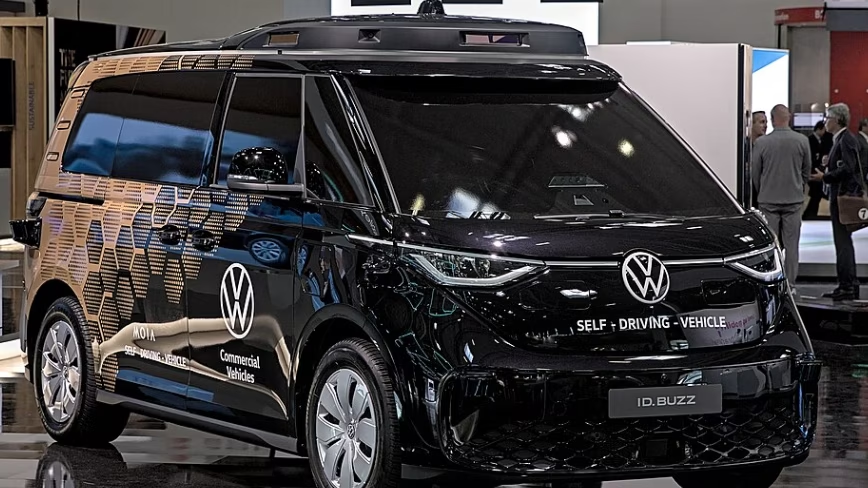
Volkswagen’s autonomous mobility unit Moia launched a robotaxi service in Hamburg using self-driving ID Buzz vans. The service is limited to preregistered residents with a fleet starting at five vehicles, expected to grow to ten. This marks the first operational autonomous passenger shuttle from a major European automaker on its home turf. The service is actively running and open for rides within designated zones.
Why it matters
This move puts Volkswagen directly into competition with other autonomous ride services that have mostly focused on U.S. or Chinese cities. Deploying in Hamburg leverages a European market with tougher regulations and distinct urban layouts, testing Moia’s ability to operate under these constraints. For operators, it signals increasing pressure on legacy automakers to shift from selling cars to providing mobility services backed by automation. For urban transport managers, it forces a rethink of public transit integration with autonomous shuttles to handle first-mile/last-mile trips more efficiently.
The use of a shared shuttle format rather than individual robotaxis also highlights a potential cost-control strategy. By filling each ride with multiple passengers, Moia can lower per-trip operating costs and reduce congestion — a critical consideration for cities balancing innovation with practical road use. It also raises expectations for scaling fleets that can reliably navigate complex, mixed-traffic environments common in European cities.
What to watch next
Monitor how quickly Moia scales its vehicle numbers and expands service areas. Regulatory feedback and user adoption rates in Hamburg will reveal how ready European cities are for autonomous mobility. Watch for any operational challenges such as route issues, passenger acceptance, or technical hiccups in complex traffic.
Other automakers and mobility providers may be forced to accelerate similar launches in Europe to maintain relevance. Investors should track Moia’s cost structure and revenue model to assess whether shared robotaxis can reach sustainable profitability before competitors saturate the market or regulatory costs escalate.
AI Quick Briefs Editorial Desk