US clears H200 sales to 10 Chinese firms, but not a single chip has shipped
What happened
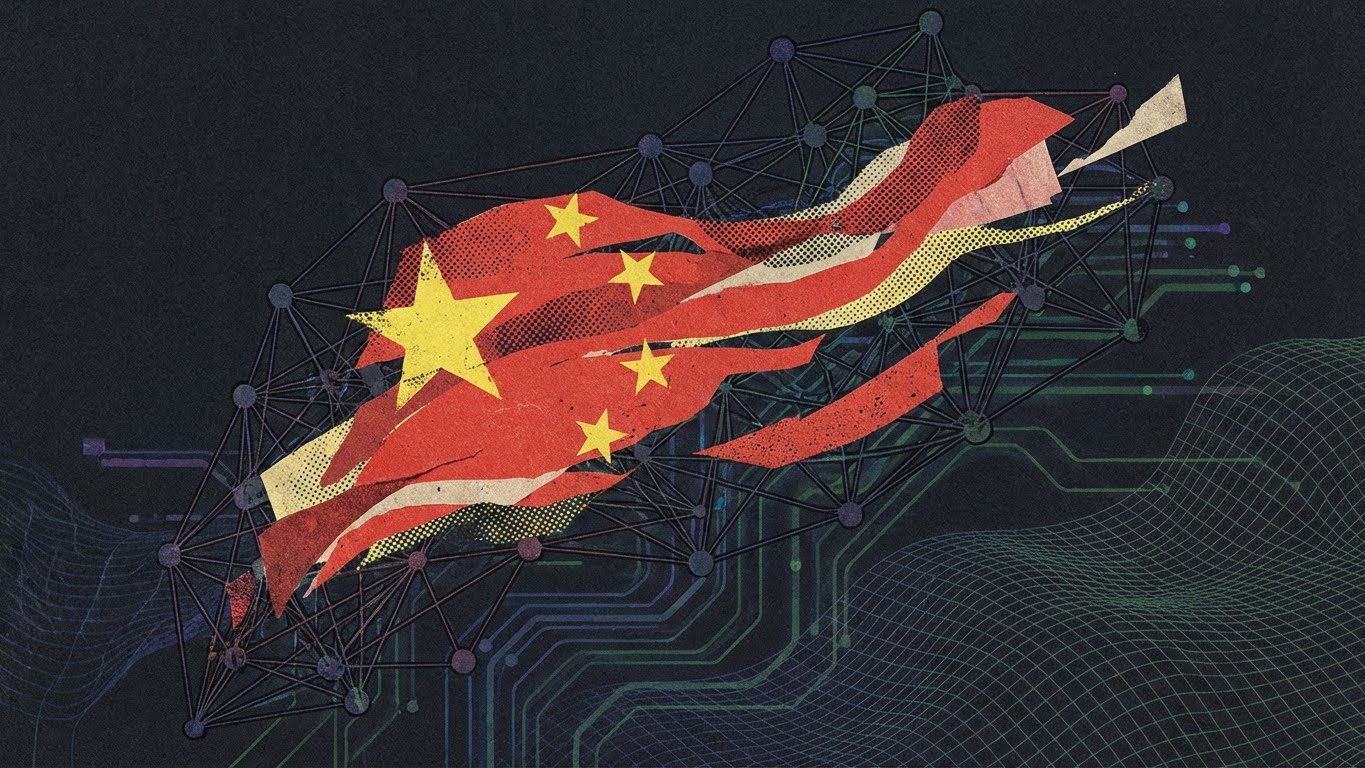
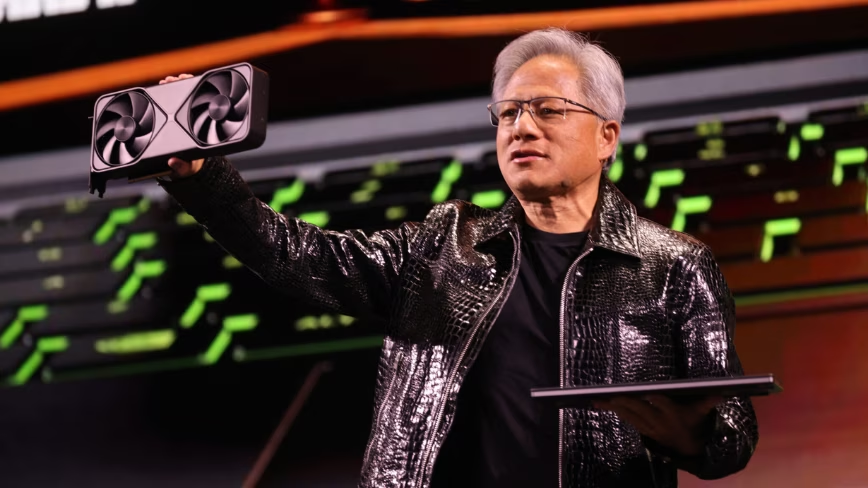
The US government has granted export licenses allowing 10 major Chinese tech firms, including Alibaba, Tencent, ByteDance, and JD.com, to purchase Nvidia’s latest H200 AI chips. Each license permits up to 75,000 units. Despite these approvals, no H200 chips have actually been shipped to China yet. Beijing has instructed its technology companies to hold off on acquiring the chips for now. Nvidia CEO Jensen Huang has recently joined former President Trump on a visit to Beijing, aiming to resolve the current standstill blocking chip deliveries.
Why it matters
This move loosens strict US export controls on cutting-edge AI hardware sales to China, signaling some regulatory thaw after months of tight restrictions. The licenses show Washington’s willingness to permit significant silicon sales but maintain oversight. However, the practical impact is stalled until Beijing encourages its companies to proceed. The deadlock reveals how geopolitical tensions and trade policy still tightly control access to advanced AI chips, limiting China’s ability to scale up its AI infrastructure quickly. Nvidia’s engagement at a high diplomatic level underscores how crucial these chips are for China’s AI ambitions and the broader tech rivalry between the US and China.
What to watch next
Monitor whether Beijing shifts from a cautious stance and allows its companies to finalize chip purchases. Physical shipment of the H200 to Chinese firms will show if geopolitical risk around tech exports weakens or persists. Nvidia’s progress will also influence global AI chip supply chains, investors, and markets focused on China’s tech growth potential. If deliveries finally start, expect tighter scrutiny on how these chips are used and follow-up US moves restricting software and ecosystem access. The trip involving Jensen Huang could offer an early signal of whether tech diplomacy can unlock stalled hardware sales or if barriers will hold firm.
AI Quick Briefs Editorial Desk