Uber’s robotaxi service is heading to Houston to take another swing at Waymo
What happened
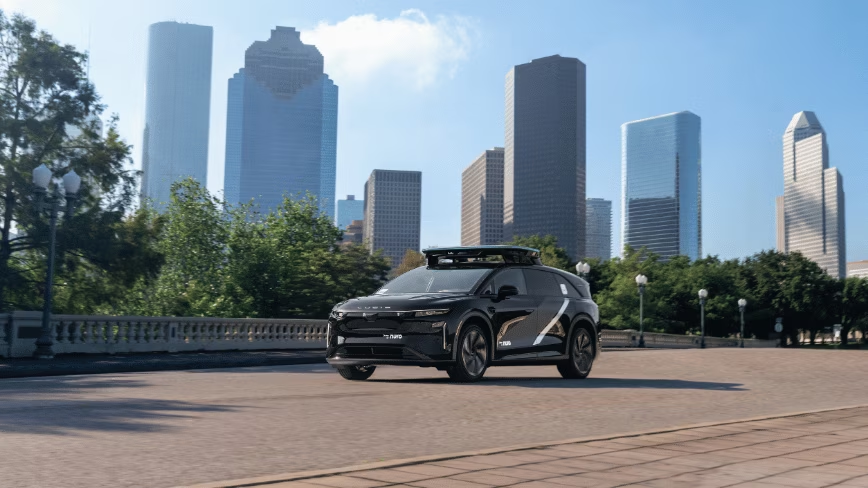
Uber announced it will launch a premium robotaxi service in Houston by mid-2027. This marks Uber’s second U.S. market trial for its autonomous vehicle partnership with EV maker Lucid Motors and self-driving startup Nuro. The service will operate without drivers, positioning itself as a direct competitor to Waymo, which already runs robotaxi services in multiple cities. Uber’s move signals an extension of its push to commercialize autonomous rides through higher-end cars and established EV technology.
Why it matters
Uber’s robotaxi launch in Houston puts more pressure on Waymo’s dominance in the U.S. urban robotaxi space. While Waymo benefits from years of operational experience and Google’s AI resources, Uber’s collaboration brings EV manufacturing and autonomous delivery expertise into one package. By targeting a premium, driverless fleet, Uber is attempting to carve out a niche that could attract more affluent riders willing to pay for a tech-forward, driver-free experience. This bet raises the stakes in the battle for autonomous ride volume and revenue, forcing competitors to sharpen pricing, user experience, and operational reliability.
For Houston residents and transportation operators, this means robotaxi availability could expand faster in a major metropolitan area known for its sprawling layout and car dependency. A driverless premium option could nudge local mobility patterns, potentially shifting some users from traditional ride-hailing or owning personal vehicles toward autonomous shared rides. It also pressures city planners and regulators to accelerate autonomous vehicle infrastructure and safety protocols while balancing public skepticism about driverless tech.
What to watch next
Key milestones to follow include Uber’s regulatory progress in Houston, especially around testing permits and safety standards for fully driverless vehicles. The company’s ability to scale its Lucid-powered fleet and prove reliability in a less tech-dense environment than Silicon Valley or Phoenix will reveal if Uber’s approach can challenge Waymo’s foothold. Also important will be customer reception—how well Uber can price and market a premium autonomous ride when many consumers still question driverless safety and value.
Watch how competitors like Waymo, Cruise, and Tesla respond. This move could prompt others to accelerate expansion plans or rethink partnerships combining EV manufacturing and self-driving tech. For investors, the rollout offers a clearer signal of when robotaxi services might begin to scale beyond pilot stages into viable commercial operations with revenue implications. Finally, monitor how Houston’s urban transport ecosystem adapts, including impact on traditional ride-hailing drivers, taxis, and public transit integration with autonomous fleets.
AI Quick Briefs Editorial Desk