Trump’s data centre power pledge draws scepticism from energy experts
What happened
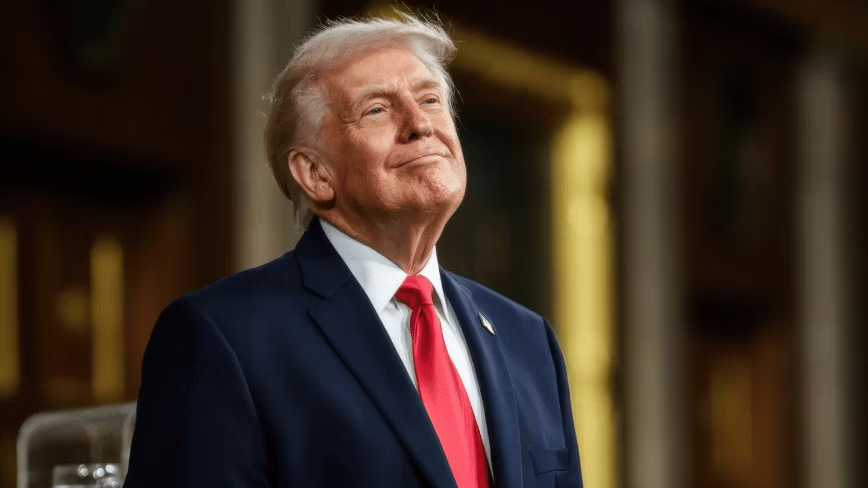
President Donald Trump announced an updated Ratepayer Protection Pledge on July 23 at the White House, promising that electricity bills for American households would actually decrease despite the growing number of energy-intensive AI data centres. The pledge is voluntary and aims to protect consumers from rising costs linked to the rapid expansion of AI infrastructure on the power grid. Energy analysts, however, have expressed skepticism about the feasibility of cutting rates while accommodating increased electricity demand from these facilities.
Why it matters
AI data centres consume vast amounts of electrical power, often pushing local grids to their limits. As more businesses deploy AI operations, these facilities drive up overall electricity consumption, which can lead to higher utility costs for consumers and strain on energy infrastructure. The pledge raises the pressure on utility companies and regulators to find ways to curb price increases even as demand accelerates. For builders and investors in AI infrastructure, this creates uncertainty around operational costs and community pushback risks. Residential customers will watch closely because unexpected rate hikes could impact household budgets despite official promises.
What to watch next
Energy experts will monitor how utilities respond to this pledge, especially if it moves from voluntary statements to regulatory mandates. The expansion and location of AI data centres will be a key factor, since siting near grids with limited capacity may force costly upgrades. Watch for new innovations or policy shifts aimed at increasing grid efficiency, integrating renewable energy, or adjusting rate structures to balance AI-driven demand with consumer protections. Investors and operators of AI infrastructure should track any emerging compliance burdens or cost pressures stemming from this initiative.
AI Quick Briefs Editorial Desk