To prove the anti-AI Pope’s words were human, his camp used AI
What happened
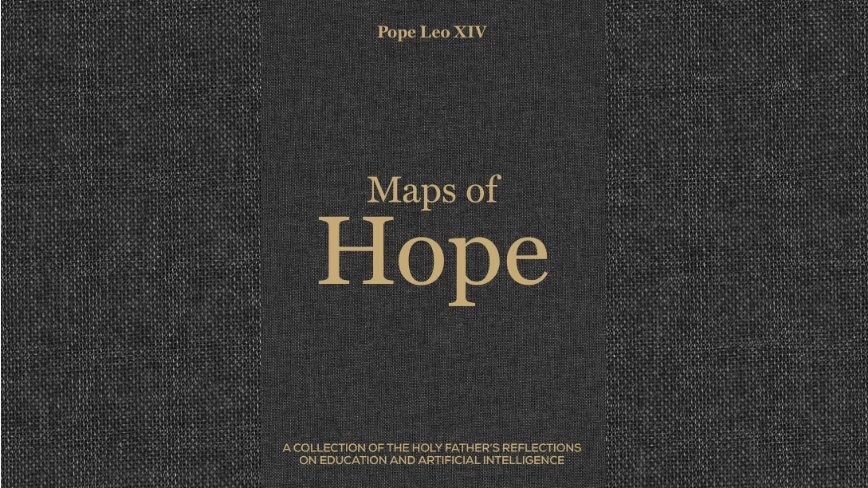
The team behind Pope Leo XIV, known for his outspoken stance against AI, turned to AI to prove his writings were human-generated. An Australian firm employed a range of AI-detection tools—the same kind designed to spot machine-written text—to certify that the Pope’s messages were indeed authored by a human. This move came amid skepticism that AI might have assisted in crafting the Pope’s statements, which consistently criticize AI’s influence.
Why it matters
This episode exposes how AI detection tools are now part of credibility battles around AI itself. It shows that AI is no longer just under scrutiny for what it produces but is also used as a defense tool in disputes over authorship authenticity. For businesses and regulators, it highlights the challenge of reliably distinguishing human from AI content as AI writing becomes more prevalent and harder to spot. Organizations may now face increased pressure to verify content origin using the very AI systems they criticize or regulate, complicating discussions on transparency and trust.
What to watch next
The use of AI detectors by a vocal AI critic could set a precedent where AI detection becomes a routine part of public discourse for controversial figures or organizations opposing AI. Watch for new standards or certifications emerging around AI content verification and whether similar certified “human” labels gain traction. Also, expect this reverse use of AI detection technology to influence how communication strategies are shaped, especially for brands or leaders who want to underscore the authenticity of their messaging amid AI skepticism.
AI Quick Briefs Editorial Desk