The US is paying an AI startup $500M to break China’s grip on chip materials
The business move
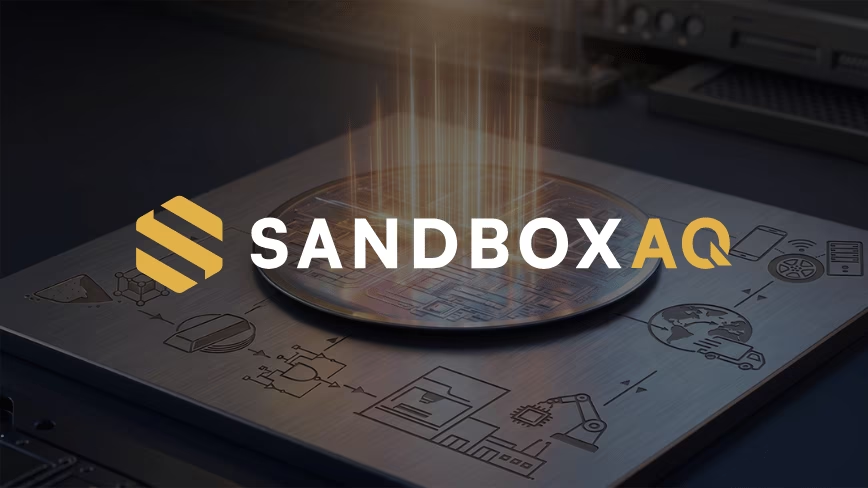
The US Department of Commerce invested $500 million in SandboxAQ, an AI startup. The funding comes from the CHIPS Act, aimed at boosting domestic semiconductor manufacturing. SandboxAQ will focus on developing new chemicals and metals used inside chip factories. This move effectively makes the government a shareholder in the startup, betting that AI can create alternatives to critical chip materials currently dominated by China.
Why it matters
China controls a large share of the global supply chain for specialty chemicals and materials essential in chip production. That concentration creates a strategic risk for US semiconductor manufacturing and national security. By funding AI-driven innovations to create homegrown alternatives, the US seeks to break China’s grip and reduce reliance on imports. This effort could shift supply chain power, speed up materials discovery, and strengthen the semiconductor sector’s resilience against geopolitical disruptions.
Who gains and who gets squeezed
US chip manufacturers and AI-driven materials startups stand to gain from this government-backed push to diversify supply lines and accelerate innovation. The infusion of capital and technology incentives reduces costs and encourages regional supply chains. Meanwhile, Chinese suppliers of semiconductor materials face pressure as their near-monopoly becomes challenged. Global chip fab operators may also need to recalibrate sourcing strategies if new materials prove viable at scale.
What to watch next
Track SandboxAQ’s progress in delivering workable alternatives to China-dominated chip materials. Proof points will include demonstrated AI-based materials discovery, pilot production runs, and adoption by US fabs. Regulatory signals and additional CHIPS Act allocations can accelerate or constrain this initiative. The broader semiconductor ecosystem should watch for shifts in material pricing, supply chain contracts, and potential tech partnerships emerging from this realignment.
AI Quick Briefs Editorial Desk