The semantic layer is becoming the foundation for trusted agentic AI
What changed
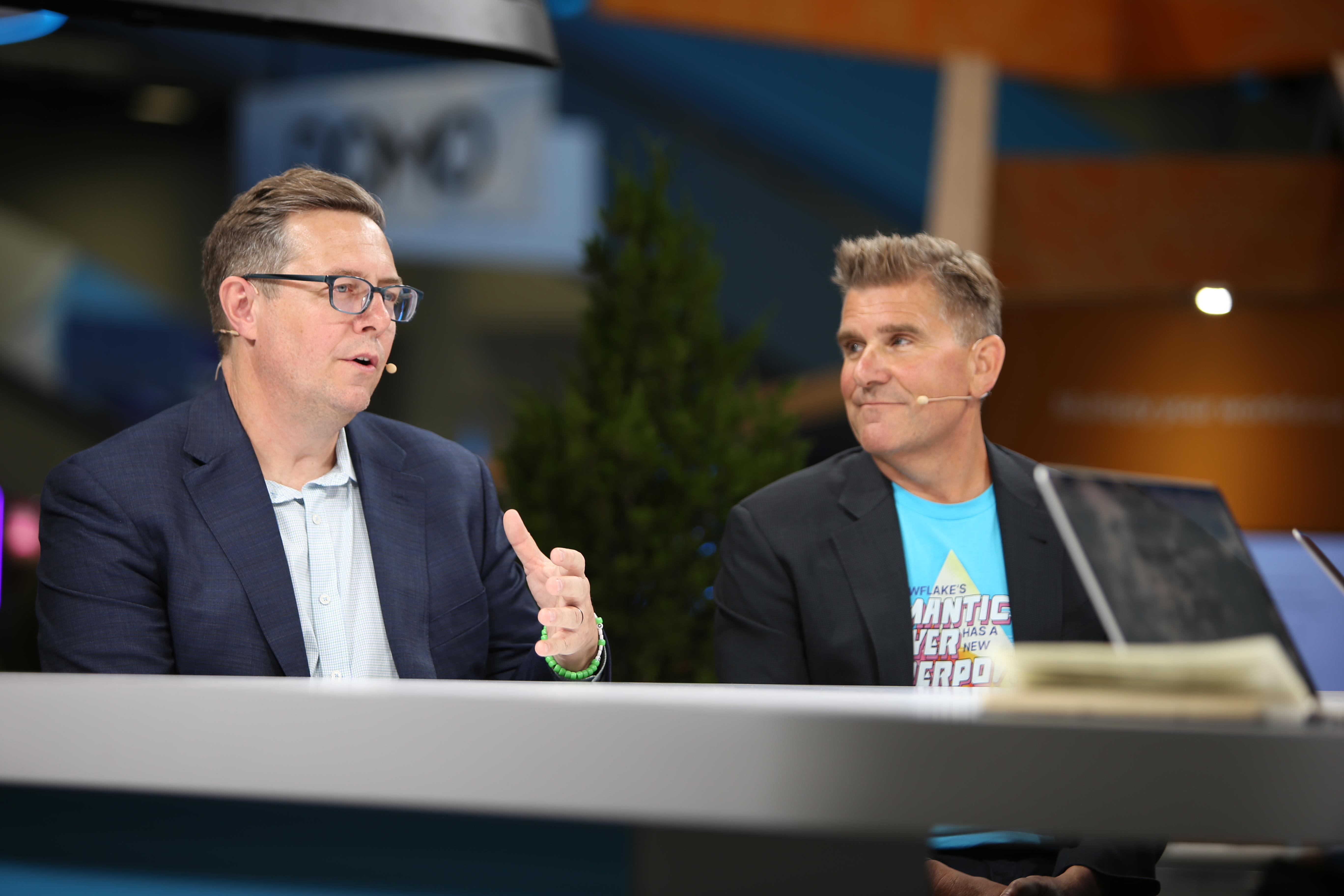
Agentic AI systems that operate headlessly by asking thousands of questions simultaneously are pushing enterprises to prioritize consistent data definitions. At the Snowflake Summit, AtScale CTO Dave Mariani highlighted the semantic layer as essential for trusted agentic AI. The semantic layer acts like a universal data language, ensuring all AI agents interpret data uniformly regardless of source or query volume.
Why builders should care
Without a solid semantic layer, agentic AI’s value suffers because inconsistent data definitions cause errors, unreliable insights, and operational risks. For developers and architects building AI platforms, enforcing a single source of truth becomes critical as multiple agents interact with vast data sets independently. This reduces troubleshooting overhead and accelerates deployment of complex, multi-agent workflows.
The practical takeaway
Organizations must invest in semantic layer technology as a foundational element of governance and data reliability for agentic AI deployments. This shift forces a tighter alignment between data teams, AI builders, and business units to agree on meaning and context upfront. Companies skipping this step will face higher costs from trust issues, slowed AI adoption, and unpredictable agentic outputs.
What to watch next
Expect growing partnerships between semantic layer providers and cloud/data platform vendors following Snowflake Summit announcements like AtScale’s collaboration. Watch for new tools that embed semantic layers into AI frameworks for real-time, consistent interpretation across multiple APIs and agents. Also monitor how semantic governance frameworks evolve to manage agentic AI’s scale and complexity efficiently.
AI Quick Briefs Editorial Desk


