The Roadmap to Mastering AI Agent Evaluation
What changed
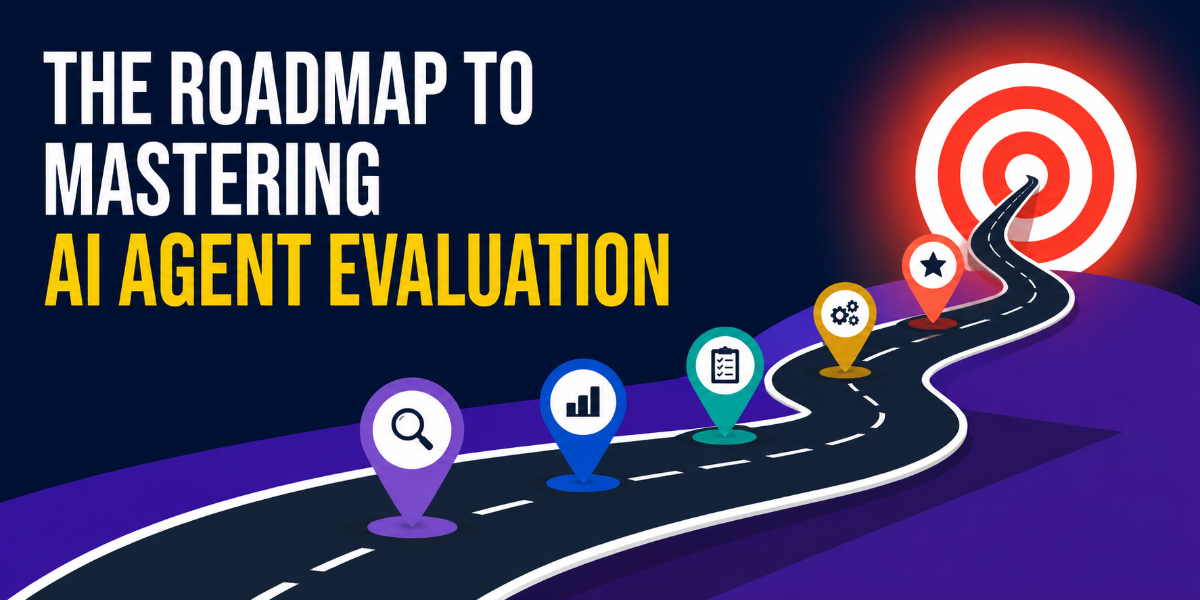
A clear pathway to mastering AI agent evaluation has emerged. The focus is on practical steps that move beyond vague metrics or theoretical benchmarks. The roadmap highlights structured approaches for testing, measuring, and improving AI agent performance in real operational contexts. It pushes evaluation from cursory checks into continuous, data-driven validation cycles.
Why builders should care
AI agents are no longer toy projects. They run tasks, make decisions, and interact in complex environments. Without rigorous evaluation, operators risk deploying agents that fail silently or underperform when it counts. This roadmap demands a methodical framework to assess AI agents against concrete goals and use cases. Builders get a pragmatic guide to avoid costly blind spots and accelerate agent maturity faster.
The practical takeaway
Stop guessing if your AI agent is working well. Measure its behavior with clear criteria tied to your objectives. Test agents continuously in conditions that mimic production realities. Use empirical feedback to tune agent algorithms and enhance reliability. This is a shift from anecdotal assessments toward evidence-backed evaluations that tighten control over agent outcomes.
What to watch next
Look for frameworks, toolkits, and best practices that operationalize the roadmap. Expect third-party evaluation services and standardized benchmarks tailored to agent workflows. As adoption of AI agents grows, demand for robust evaluation will push vendors and platforms to offer integrated measurement solutions. Builders who adopt these advanced evaluation methods first will hold an edge around AI agent trust and performance.
AI Quick Briefs Editorial Desk


