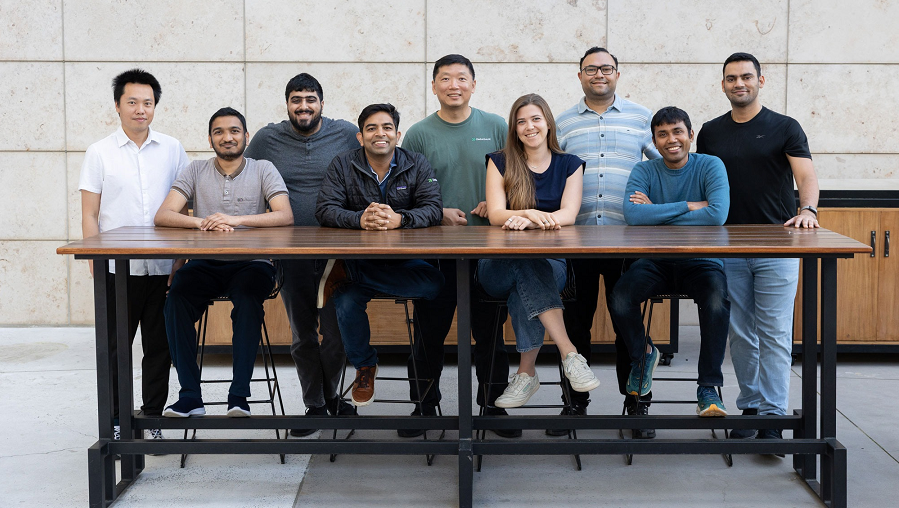
The developer behind VLC’s 6 billion downloads now wants to connect hundreds of millions of robots

What happened
Jean-Baptiste Kempf, the lead developer behind VLC Media Player, has raised $5 million for his startup Kyber. The company is creating an infrastructure layer designed to control remote devices, including robots, in real time. This funding round was led by Lightspeed Venture Partners, a firm known for high-profile AI investments like Mistral AI’s seed round and Anthropic. OVNI Capital and Kima Ventures also participated.
Why it matters
Kyber targets a growing bottleneck in robotics and IoT: managing remote devices reliably and at scale with tight latency demands. Many robots deployed in warehouses, factories, or smart cities lack a robust infrastructure for real-time control, which limits their usefulness and slows wider adoption. Kempf’s experience with VLC gives him a strong track record in building resilient, cross-platform software used billions of times globally. Kyber’s approach could lower the complexity and cost of orchestrating fleets of devices remotely, accelerating automation projects and robot deployments for businesses.
Additionally, backing from Lightspeed signals confidence in Kyber’s potential to become a foundational tool for robotics and remote device operators. As AI-powered machines multiply, seamless and secure remote control will matter more for operators managing everything from delivery drones to industrial arms. Kyber aims to be that connective software layer.
What to watch next
Pay attention to the technology Kyber develops for real-time device coordination. Look for how it handles communication latency, security, and interoperability across hardware types. The startup’s partnerships or pilot deployments will reveal its practical viability and scale potential.
Investors should watch Lightspeed’s involvement closely, given its AI portfolio and recent bets on major players in the space. Builder teams and operations leaders will want to see if Kyber can deliver stable, low-latency control that integrates easily with legacy and new robotics systems. How Kyber evolves will shape how efficiently future fleets of remote devices can be managed.
AI Quick Briefs Editorial Desk