The Current State of Agentic AI
What changed
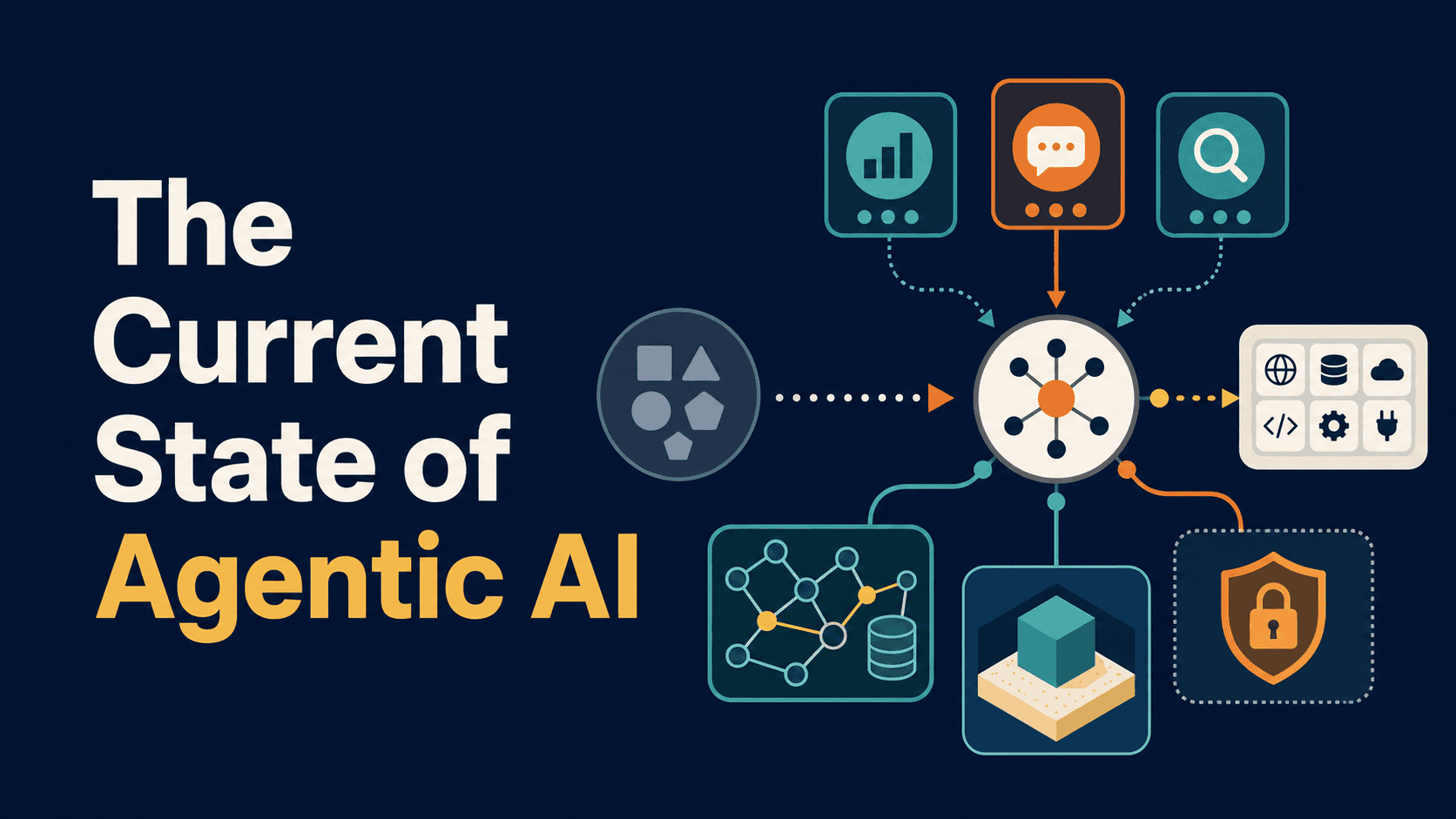
By mid-2026, agentic AI architecture has moved beyond the orchestrated reasoning loops that dominated early designs. Instead of relying on fixed, scripted reasoning cycles, these systems now favor more flexible, dynamic control mechanisms. This shift enables the AI to better adapt to real-world complexity without micromanagement of every step. Agents are less structured and more autonomous, capable of making decisions without running through predefined instruction sets repeatedly.
Why builders should care
For developers and operators, this evolution means agentic AI can handle more complex tasks with less overhead from manually coded reasoning protocols. Systems built with this newer architecture require fewer engineering cycles to tweak decision-making rules and can respond faster to evolving inputs. It shifts power from rigid frameworks to more emergent, goal-directed AI behavior. Builders can expect to see agents that manage themselves more effectively and can scale to broader applications without bottlenecks tied to traditional orchestration.
The practical takeaway
This architectural shift lowers the cost and complexity of deploying agentic AI in practical settings. Businesses can integrate agents that require less ongoing tuning, speeding time to value. Autonomous systems gain robustness, making it easier to delegate complex workflows that previously needed human-in-the-loop control. For investors and operators, this raises the bar on what agentic AI can deliver reliably today. Expect tighter feedback loops between agent autonomy and real-world performance.
What to watch next
The next key checkpoint is how scalability plays out as agentic AI frees itself from rigid loops. Watch for emerging platforms that embrace flexible control paradigms and novel training methods exploiting this dynamic autonomy. Also track tools enabling better interpretability of these less scripted agents, since understanding decisions will be critical for trust and deployment. Finally, monitor industry adoption rates as developers balance increased autonomy against the need for predictable behaviors in mission-critical environments.
AI Quick Briefs Editorial Desk


